
Indoor Cat House Ideas for Small Apartments: Space-Saving Designs
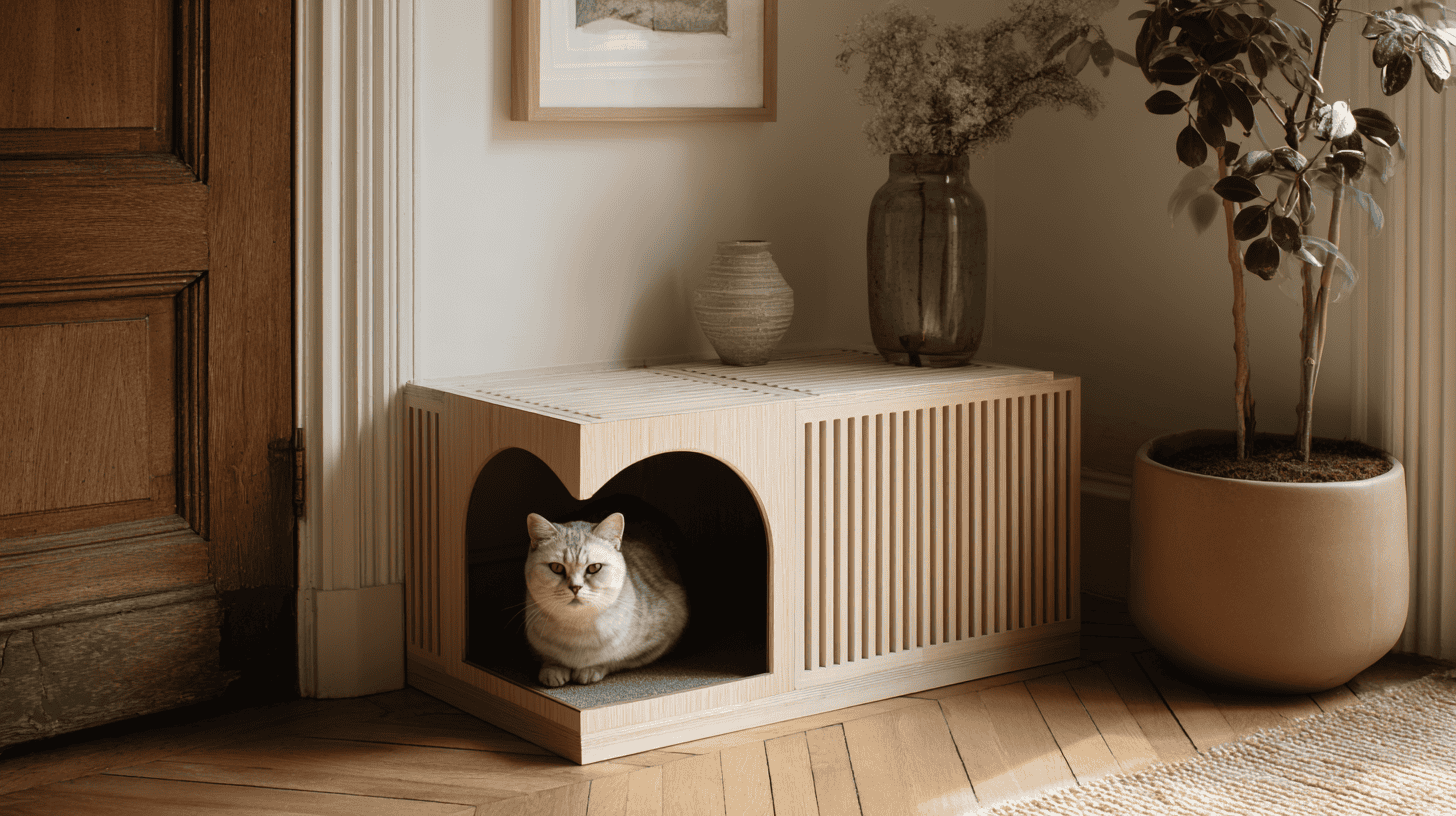
Living in a small apartment can make things tricky for cat owners who want to give their cats a comfy spot without crowding up the place. Making functional indoor cat houses in tight spaces really calls for some creative thinking—using vertical areas, picking out multi-purpose furniture, and finding clever designs that actually look good with your stuff.
These days, a lot of cat owners want space-saving options that work for their cats’ need for privacy, perching, and territory, but still keep things tidy. Wall-mounted nooks, tension-pole systems, and smart two-in-one furniture can turn even the tiniest apartment into a cat-friendly zone.
Knowing how cats act in small spaces—like their love of high spots, cozy hideouts, and setting boundaries—makes it easier to pick the right cat house. Whether you’re thinking about under-bench hideaways, ceiling bridges, or slim towers, the best cat houses for small apartments mix function and looks, squeezing every bit of use out of the space you have.
Understanding Indoor Cat Needs in Small Apartments
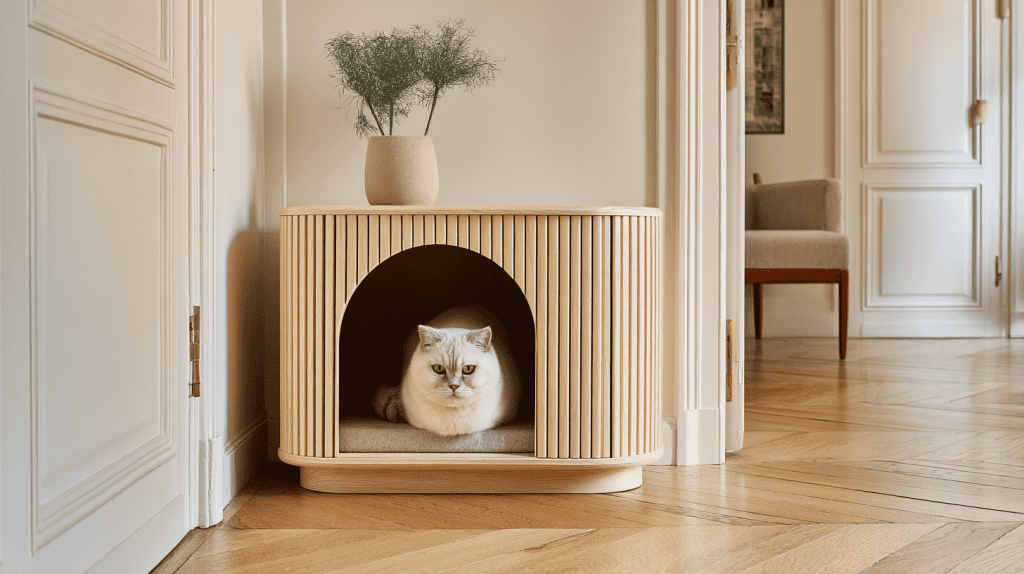
Cats in small apartments need special setups to keep them happy and healthy. Vertical territory matters a lot when you don’t have much floor space, and the right enrichment keeps boredom and stress at bay.
Importance of Vertical Space for Cats
Cats love getting up high—it makes them feel safe, lets them claim territory, and helps with stress. In small apartments, vertical space kind of replaces the floor space they’d have elsewhere.
Height offers cats a bunch of perks:
- They can watch everything and feel secure
- It gives them an escape route if they feel stressed
- Climbing keeps them active
- They get more “territory” without hogging the floor
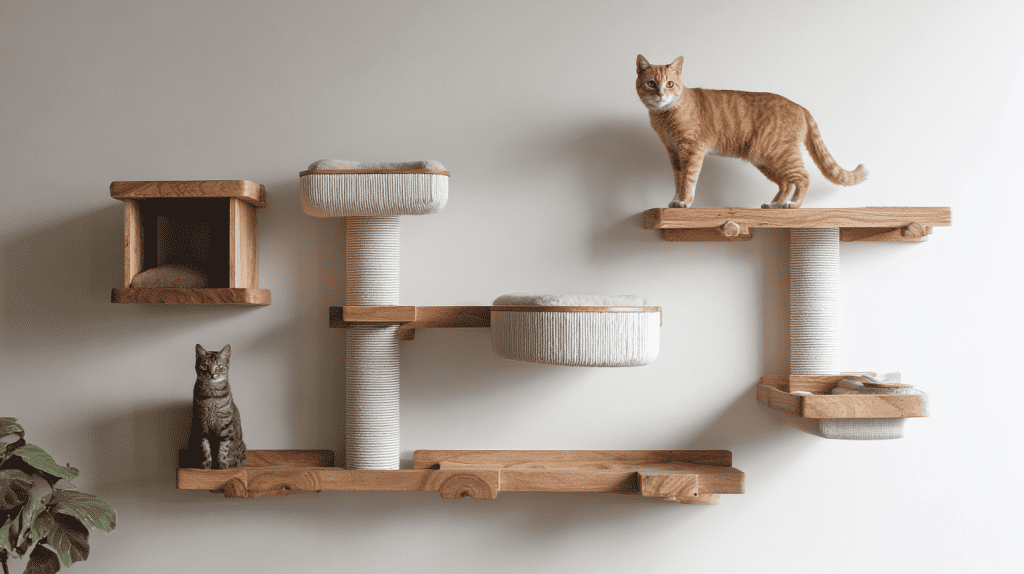
Wall-mounted shelves at different heights let cats climb around. Just make sure the shelves are sturdy and spaced right so they can jump safely.
Floor-to-ceiling cat trees really make the most of vertical space. Go for ones with lots of platforms, places to scratch, and little hideouts for a one-stop cat hangout.
Window perches give cats a high-up spot with a view. Just double-check they’re mounted well and can handle a cat who likes to leap.
Cat Behaviour and Environmental Enrichment
Indoor cats need both mental and physical stimulation or they’ll get bored and act out. In small apartments, you’ve got to get creative since there’s less room to roam.
Some key enrichment ideas:
- Interactive toys that let them “hunt”
- Switching up toys so they don’t get bored
- Puzzle feeders to make meals more interesting
- Scratching posts in different styles and materials
Cats are usually most active at dawn and dusk. If you can, try to play with them during those times—they’ll appreciate it.
Scratching and marking territory with scent is totally normal for cats. Give them good places to scratch and maybe even a few cat-safe plants, rather than trying to stop it altogether.
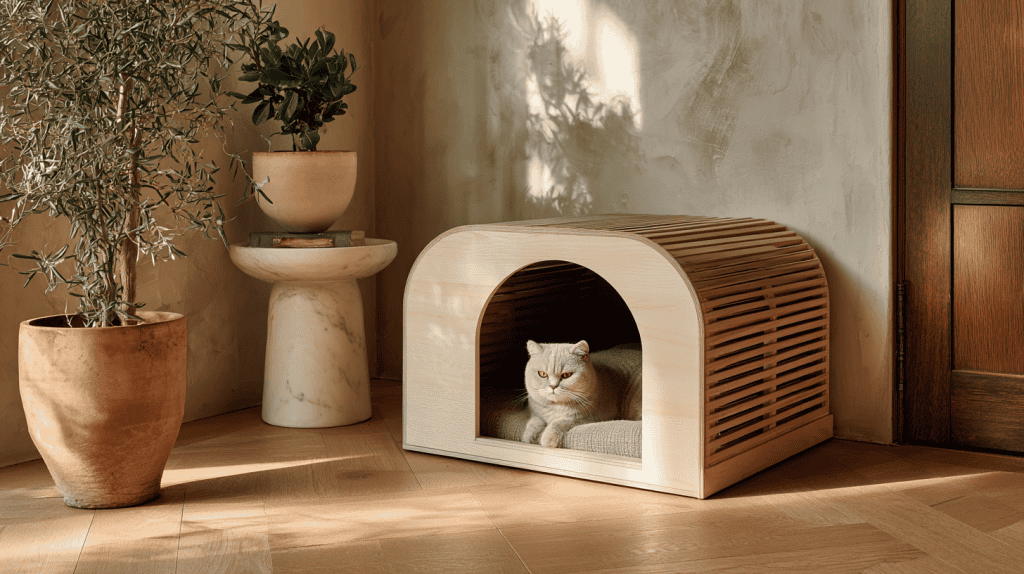
Having a few hidey-holes around the apartment helps cats feel safe. Covered beds, cardboard boxes, or specially made cat caves all work.
Creating a Stress-Free Environment
Small apartments can stress cats out if they don’t have enough territory, if things are too noisy, or if they can’t control their environment. Tackling these issues can really help keep your cat calm.
Some good ways to cut down on stress:
- Stick to regular routines for feeding and play
- Set up quiet spots where your cat can hide and relax
- Have enough litter boxes (usually one per cat, plus one extra)
- Keep noise and big changes to a minimum
Cats do better when they know where to find food, water, and the litter box. Try not to move these things around too much—it helps them feel secure.
In homes with more than one cat, each cat really needs its own resources and space. Otherwise, you’ll probably see some tension or squabbles.
Temperature matters more than you might think. Cats usually like it between 18-24°C, and they want both warm and cool spots to choose from as the day goes on.
Good airflow keeps things smelling fresh and makes for a healthier space, especially when you’ve got litter boxes and food bowls in a small area.
Maximising Vertical Space: Smart Solutions
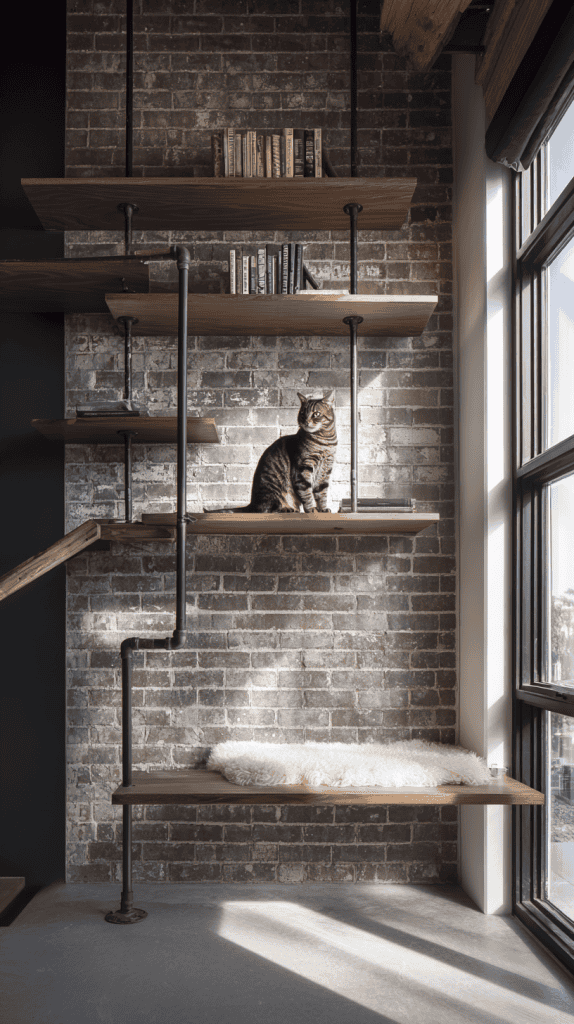
Even in a small apartment, you can keep your cats happy by building up, not out. Wall-mounted shelves, tall towers, window perches, and hammocks turn empty wall space into places for your cat to climb, nap, and explore—without taking over your floor.
Wall-Mounted Cat Shelves and Steps
Wall-mounted shelves let cats climb and survey their world, all while leaving the floor open. Installing them about 30-45 centimeters apart usually works for most cats to hop between levels.
What you’ll need for safe installation:
- Strong wall anchors (look for at least 15kg rating)
- Stagger shelves so cats can climb naturally
- Add carpet or non-slip surfaces
Modular shelf setups are great since you can start small and add more as needed. They’re especially nice near windows or when connecting to other climbing spots.
Some placement ideas:
- Put shelves above furniture to get extra height
- Make circular routes so your cat can loop around
- Add a few wide spots for lounging
Good wall-mounted systems usually hold up for years, even with multiple cats. If you’re renting, it’s probably smart to get them installed professionally so you don’t wreck the walls.
Cat Trees and Multi-Level Towers
Multi-level cat towers pack a lot of fun into a small footprint. Floor-to-ceiling styles are the best for maximizing vertical territory in a cramped apartment.
Look for these features:
- Height: Go for 180-250cm if you can
- Stability: Wide bases or tension rods to the ceiling
- Lots of levels: Four to six platforms give variety
- Scratching posts built in: Less need for extra furniture
Narrow towers fit nicely in corners or along walls. They often come with hidey-holes, open perches, and dangling toys for a full cat playground.
Space-friendly choices:
- Corner models
- Wall-leaning towers with safety brackets
- Modular systems you can build up
Multi-level towers help keep the peace if you’ve got more than one cat, since they can claim different heights. That way, everyone gets their own space and you can fit more cats without fights.
Installing Window Perches
Window perches make the most of a cat’s love for sunbathing and bird-watching. They don’t take up much space, but they add a lot of enrichment.
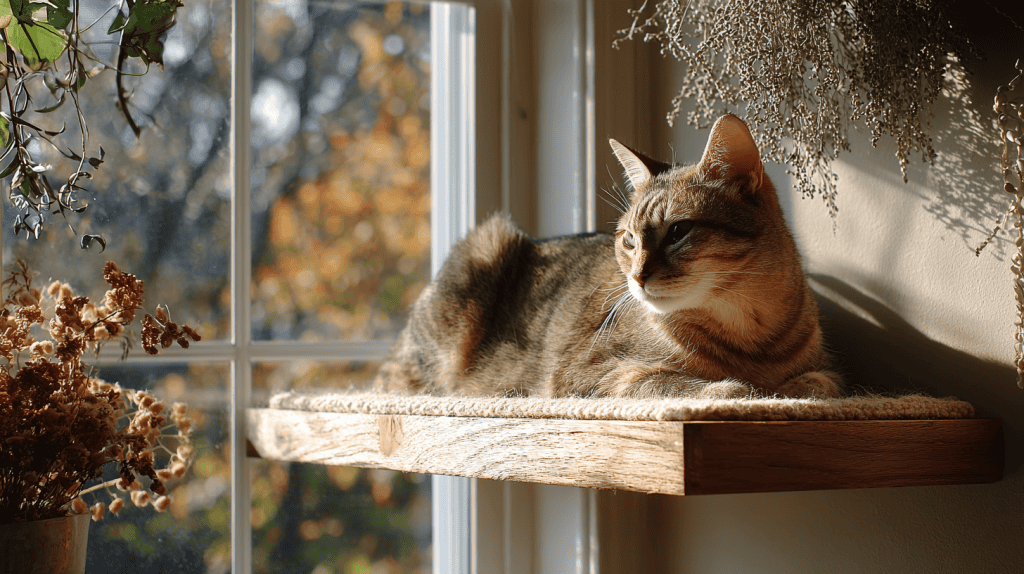
Ways to mount them:
- Suction cups: Easy to move, but check weight limits
- Brackets: More permanent, better for bigger cats
- Clamp-on: No drilling, so great if you rent
Pick a perch that can hold at least 1.5 times your cat’s weight, just to be safe. Stronger models can handle multiple cats or big breeds without damaging your window frames.
Where to put them:
- South-facing windows for extra sun
- More than one perch if you have a few cats
- Vary the height to give them “levels” to choose from
Some of the best perches have padding and raised edges so cats feel secure. A few even come with storage underneath for toys or treats, which is handy in a small space.
Utilising Wall-Mounted Cat Hammocks
Cat hammocks are a fun way to give your cat a place to nap up off the floor. They fit nicely in corners or between pieces of furniture, and most cats seem to love the gentle sway.
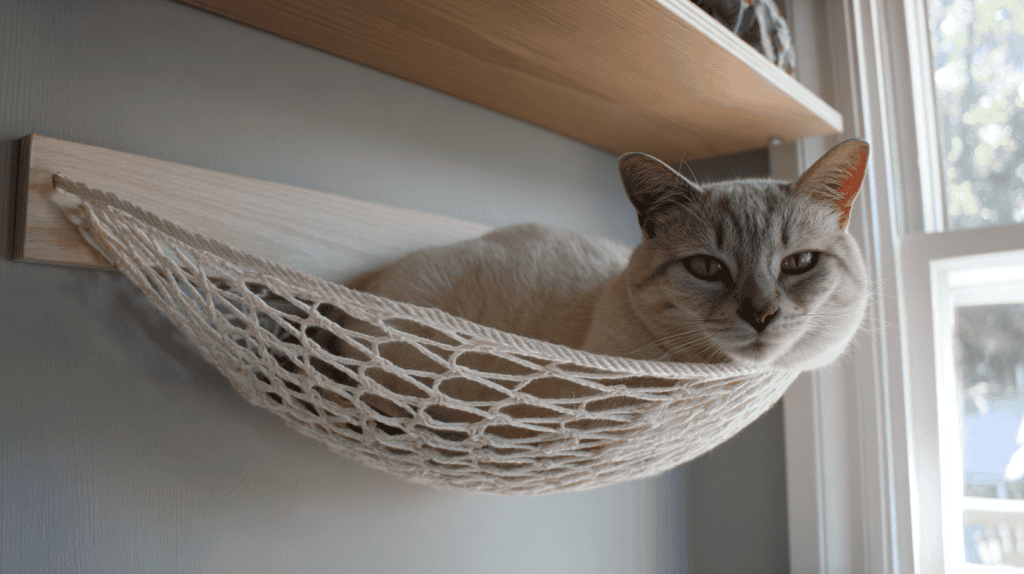
Why hammocks are a win:
- Zero floor space needed
- Super easy to clean
- Good for older or less agile cats
- Makes a cozy hideout
Mounting options:
| Type | Best For | Weight Limit |
|---|---|---|
| Corner hammocks | Small spaces | 8-12kg |
| Wall brackets | Open areas | 15-20kg |
| Multi-point suspension | Heavy cats | 20kg+ |
The fabric you choose makes a difference—canvas and ripstop nylon usually last longer than cotton. Removable covers are a lifesaver for cleaning.
Try placing hammocks at different heights between shelves. That way, your cat can use them as rest stops as they climb, and you won’t end up with one “dead zone” in your vertical setup.
1. Under-Bench & Entryway Hidden Cat House Ideas
Entryway benches are a sneaky-good spot for hidden cat houses. The space underneath gives your cat a private hangout, and you still get to use the bench like normal.
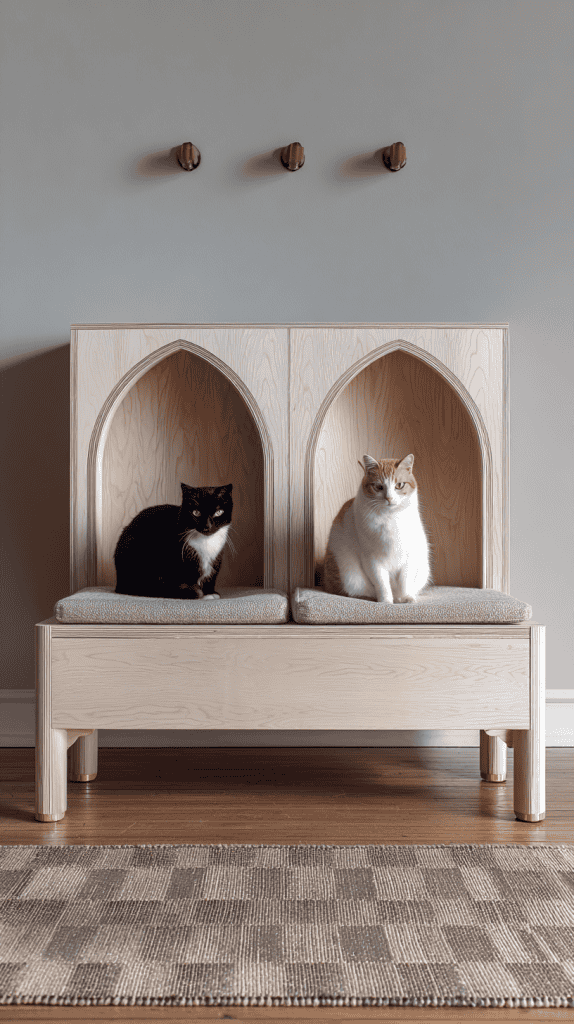
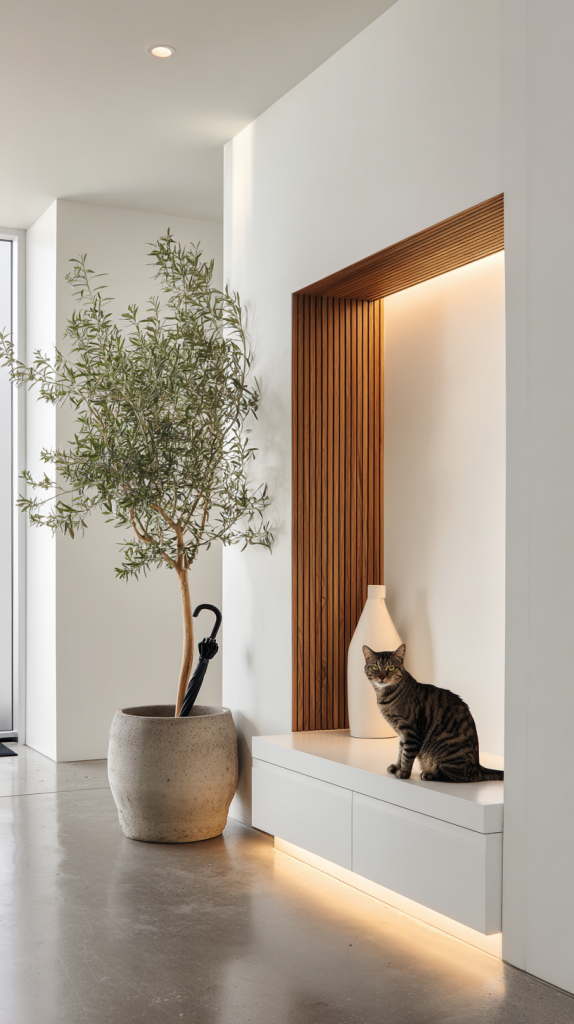
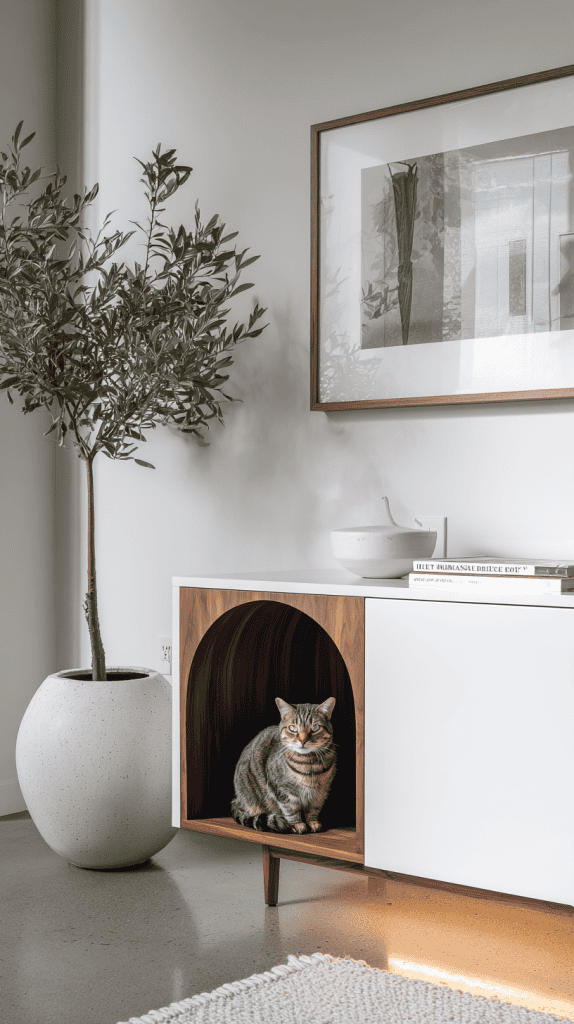
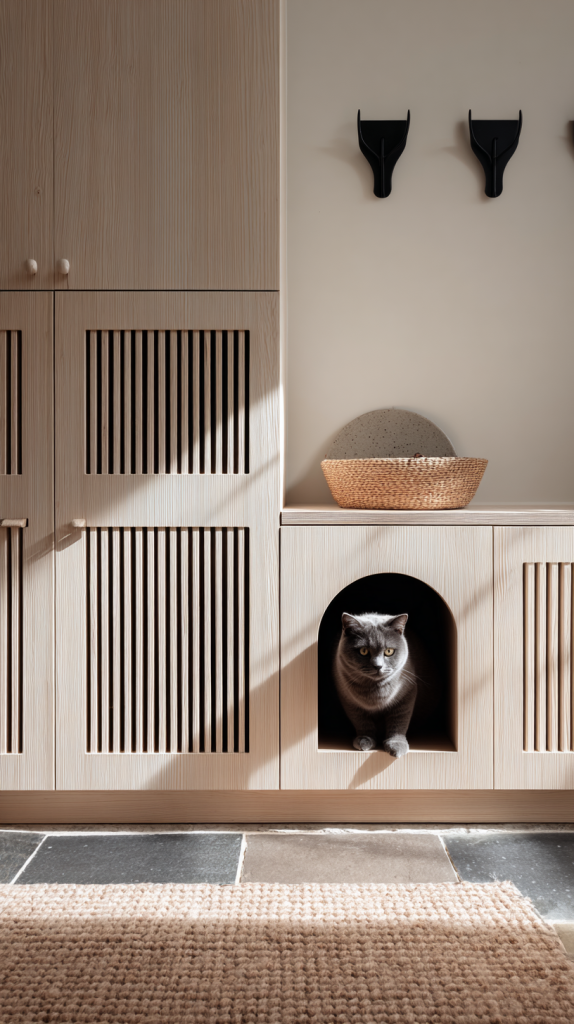
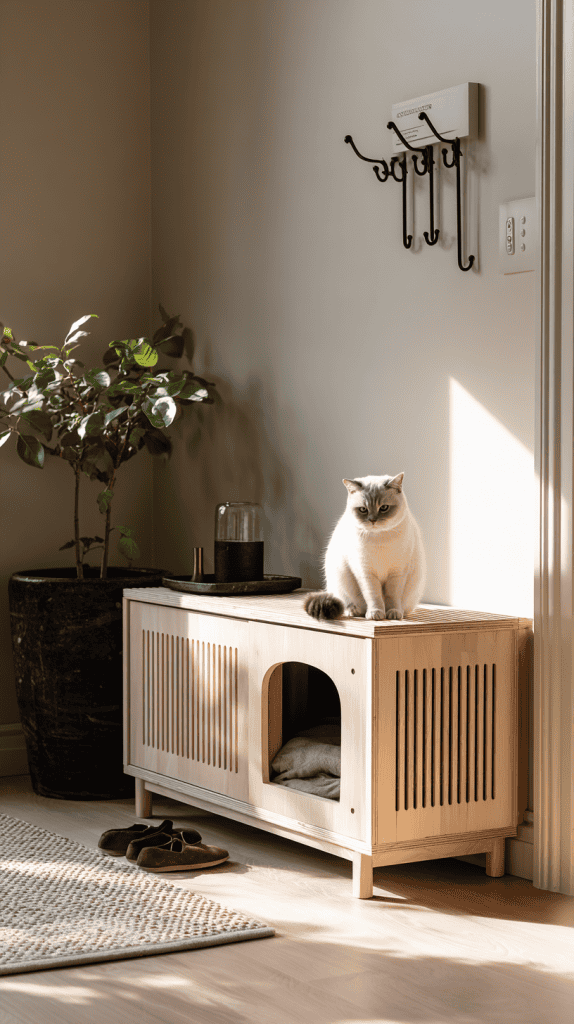
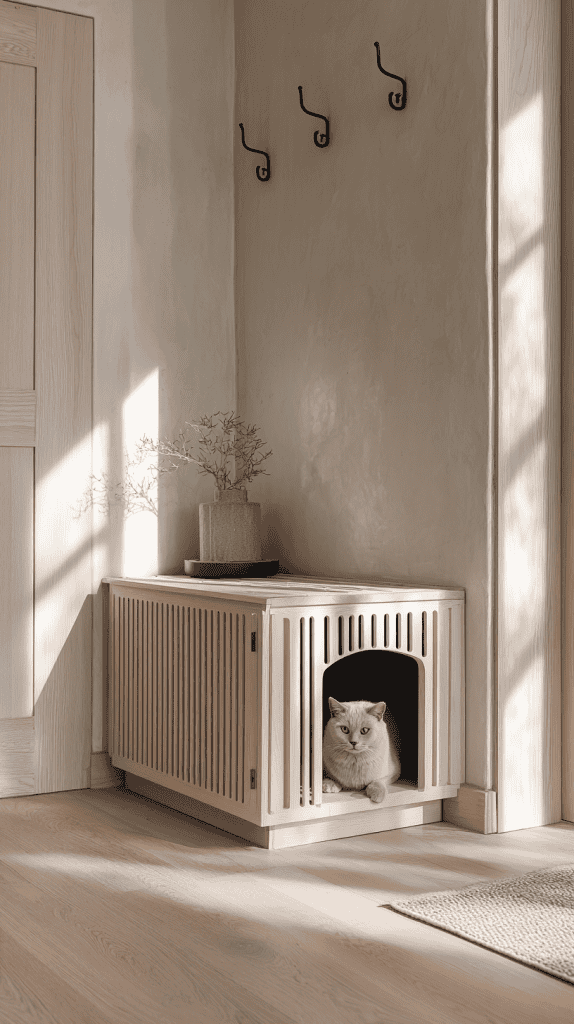
Built-in bench cat houses turn regular storage benches into double-duty furniture. Your cat gets a cozy retreat, and you still have a place to sit or stash shoes.
| Feature | Benefit |
|---|---|
| Hidden entrance | Keeps things tidy |
| Removable cushions | Makes cleaning easier |
| Ventilation slots | Lets air flow through |
| Sound dampening | Cuts down on noise |
Collapsible cat tunnels are awesome under benches, especially in small apartments. You can pull them out for playtime and fold them away when you need the space.
Tucker Murphy Pet has a few bench-style cat furniture pieces that work well in small spaces. Their designs fit in with most décor and give your cat a spot that’s all their own.
Mudroom setups are practical in small homes. Tucking a cat bed under entryway storage keeps your pet close to the action, but out of the main living area.
DIY tweaks let you customize benches for your space. Add soft lighting, a scratching pad, or even a second level to make it extra inviting for your cat.
Don’t forget storage—it’s key in a small apartment. Under-bench cat houses should have a spot for toys, treats, and grooming stuff so everything stays organized.
When building under-bench cat houses, make sure there’s enough airflow and easy access for cleaning. Removable panels or hinged tops help with maintenance and keep your cat comfy and safe.
2. Corner Modular Cube House (Stackable) Ideas
Corner modular cube houses are a game-changer for small apartments. By using those awkward 90-degree corners, you can stack upwards and save a ton of floor space.
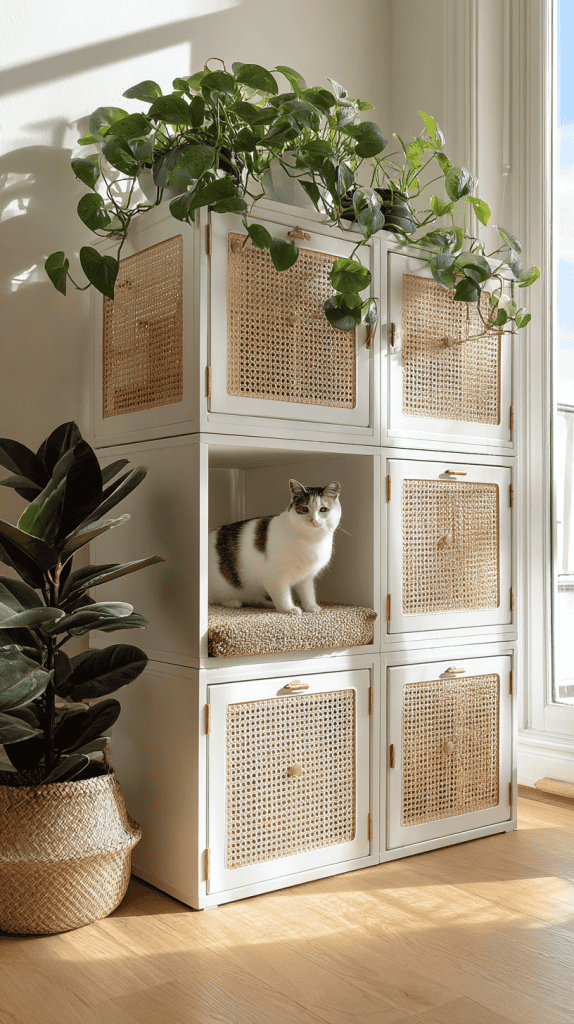
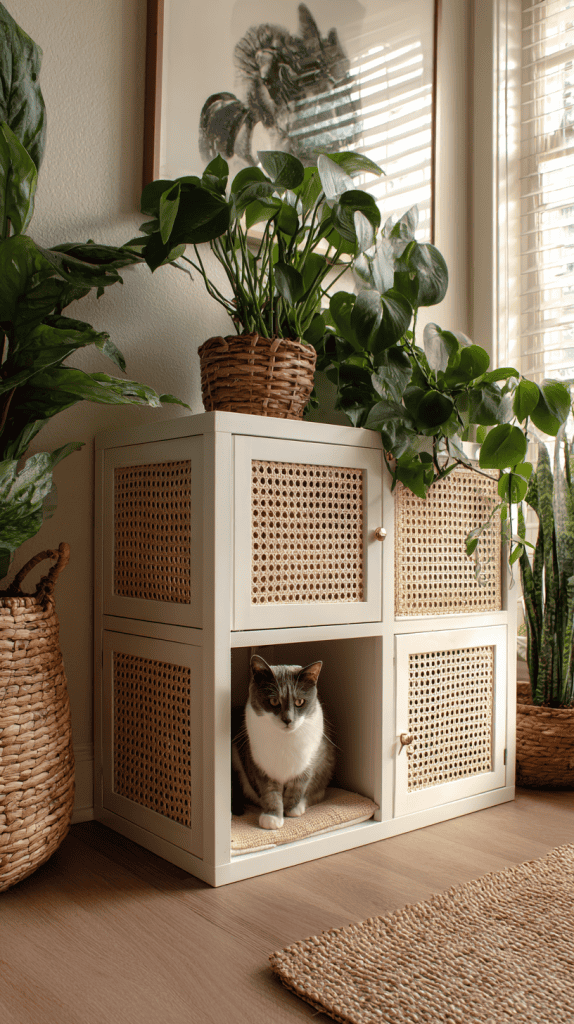
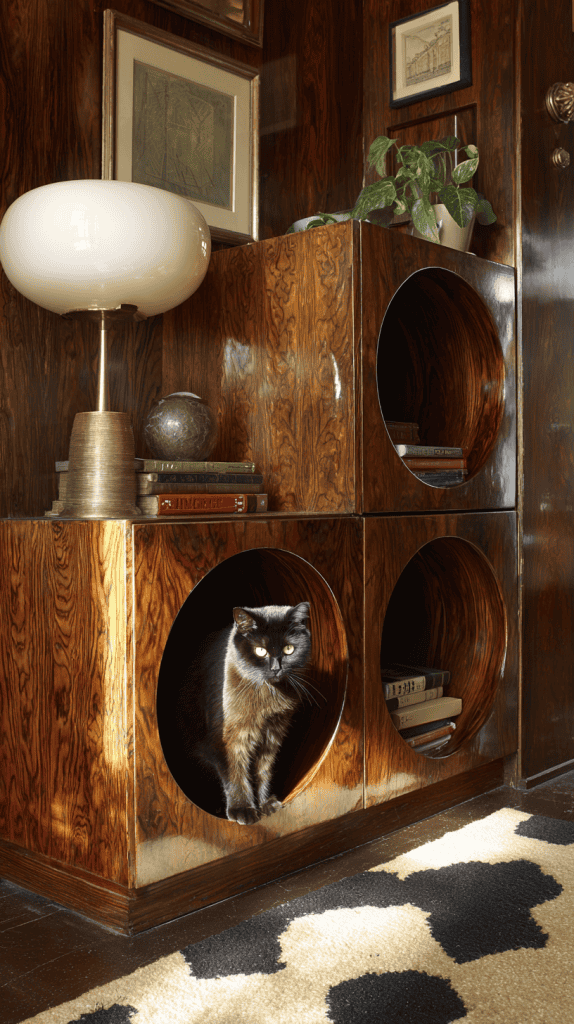
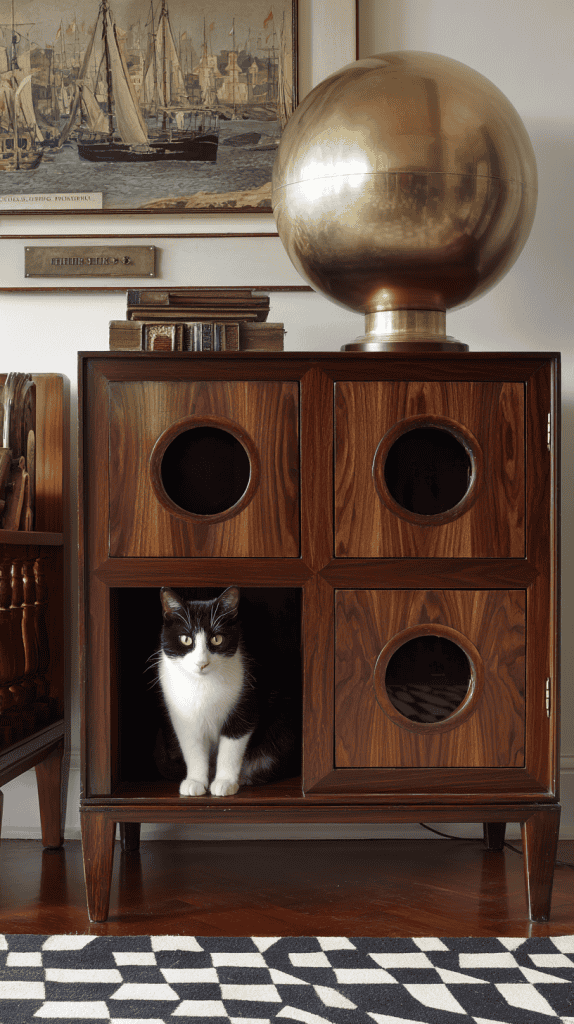
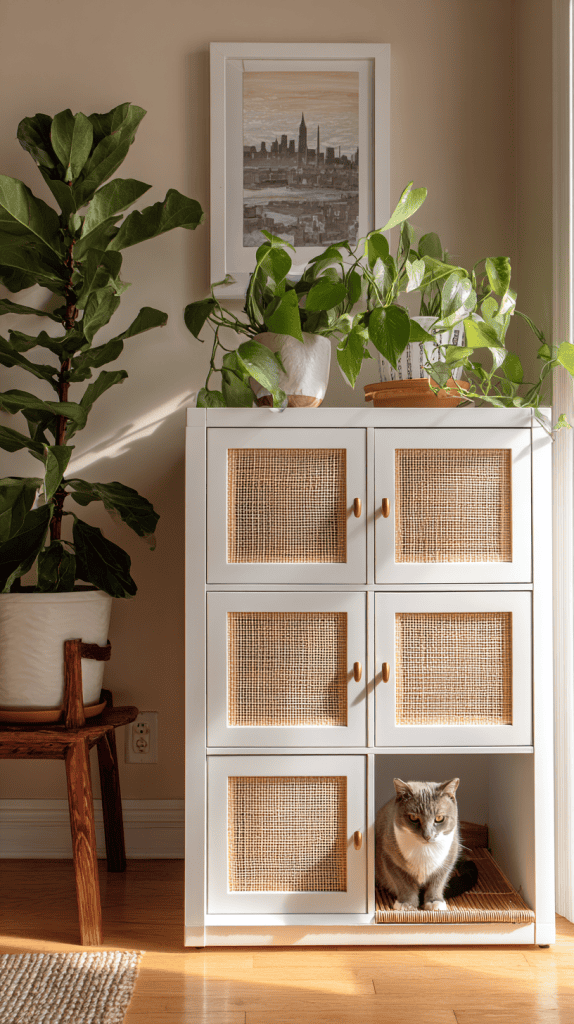
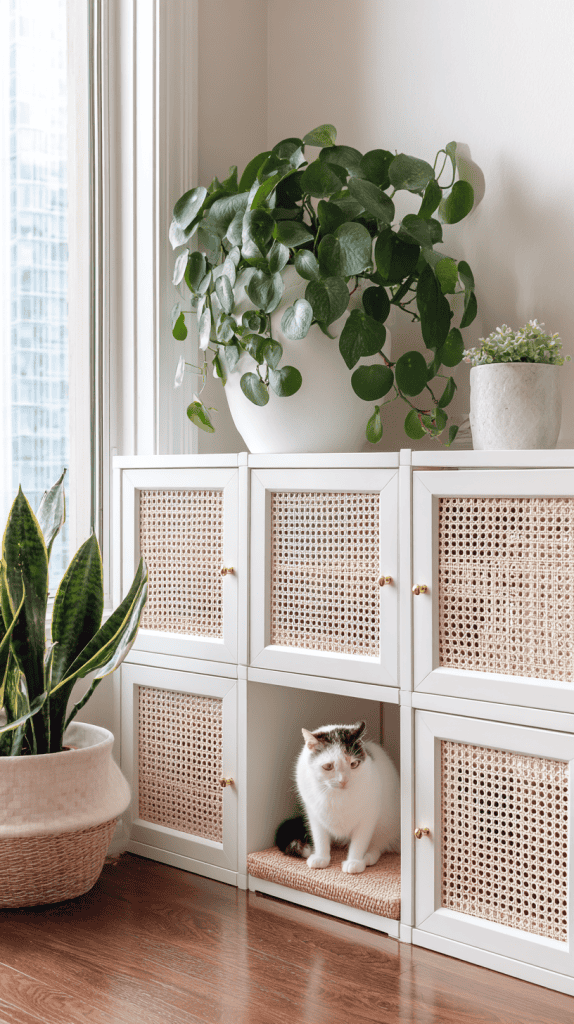
Why they’re great for apartments:
- Space saver: Fits right into corners, so you don’t trip over them
- Build up, not out: Stack as high as you want
- Customizable: Add or remove cubes to fit your needs
The TRIXIE Crazy Cube series is a popular pick, mixing scratch-friendly surfaces with cozy hideouts. Each cube has sisal on the sides and a soft spot inside for naps.
Ways to set them up:
| Layout | Best For | Space Required |
|---|---|---|
| 2-cube stack | One cat | 60cm x 60cm footprint |
| 3-cube tower | Multiple cats | Same footprint, just taller |
| L-shape | Playful cats | Corner plus a little extra |
Brands like Kitty Kasa offer different modules—bedroom, gym, and play areas. The gym has built-in scratchers, and the play cube comes with hanging toys for extra fun.
Material tips:
Most modern cubes use lightweight but sturdy materials. Removable cushions make cleaning easier, which is especially important in a small apartment where messes show up fast.
Sticking these cubes in the corner keeps them out of your way and gives cats a high-up spot to watch everything. It’s a win-win—your place stays tidy, and your cat gets to feel like the king (or queen) of the castle.
3. Window-Perch Micro House (Clamp-On or Floating) Ideas
Window perches turn that wasted vertical space into prime real estate for cats in small flats. These elevated micro houses give cats entertainment, sunbathing spots, and front-row bird-watching seats—without eating up precious floor space.
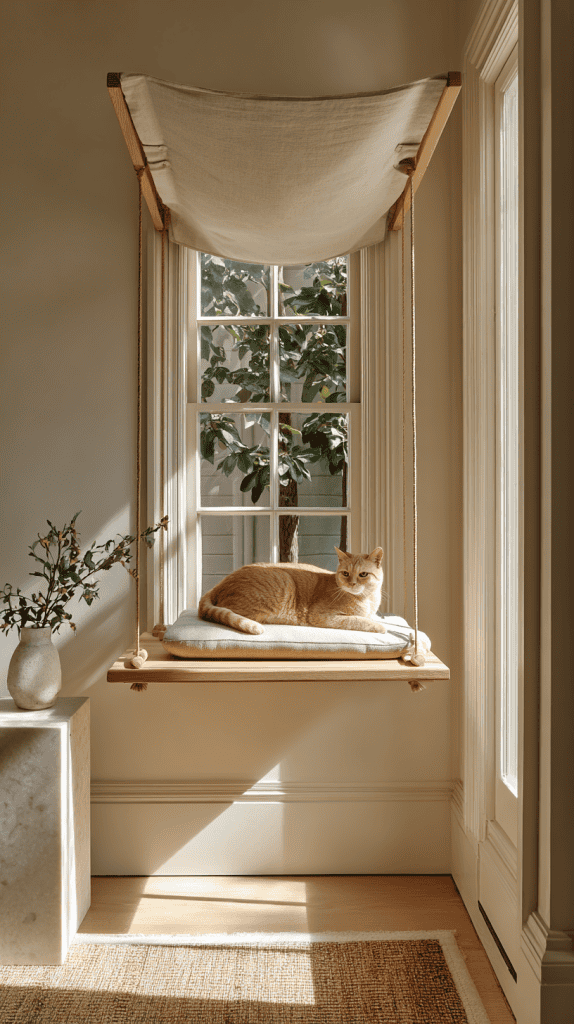
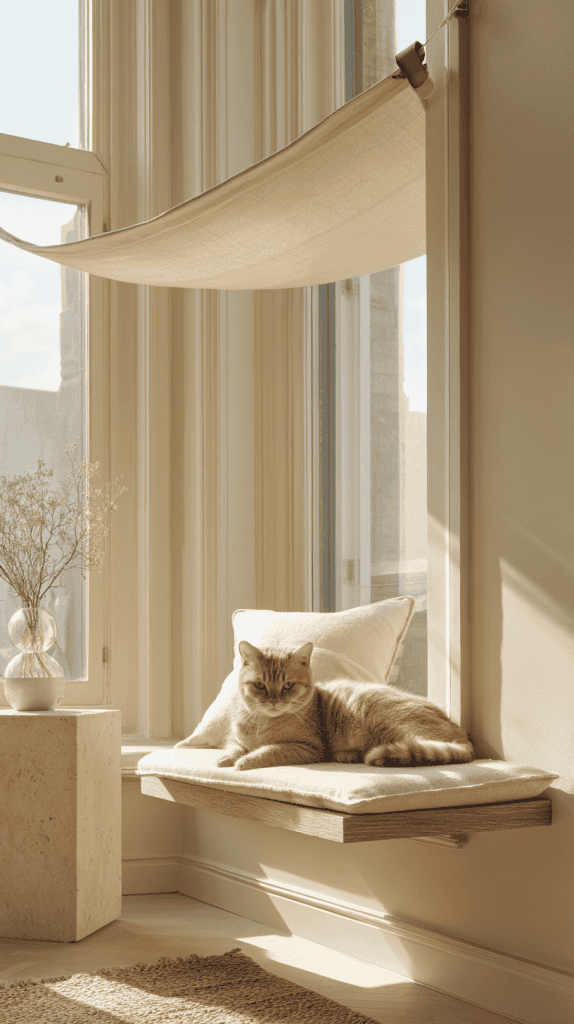
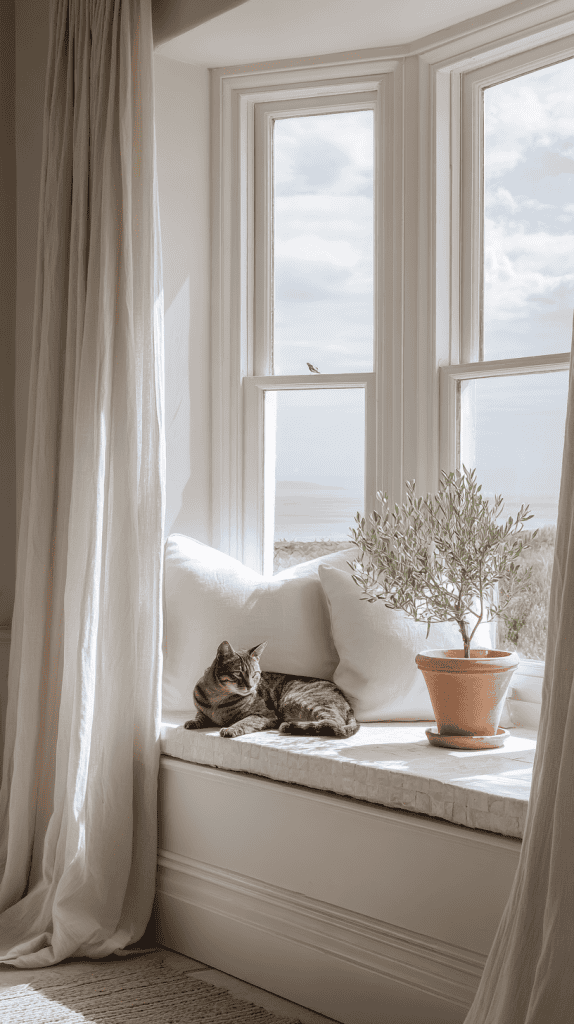
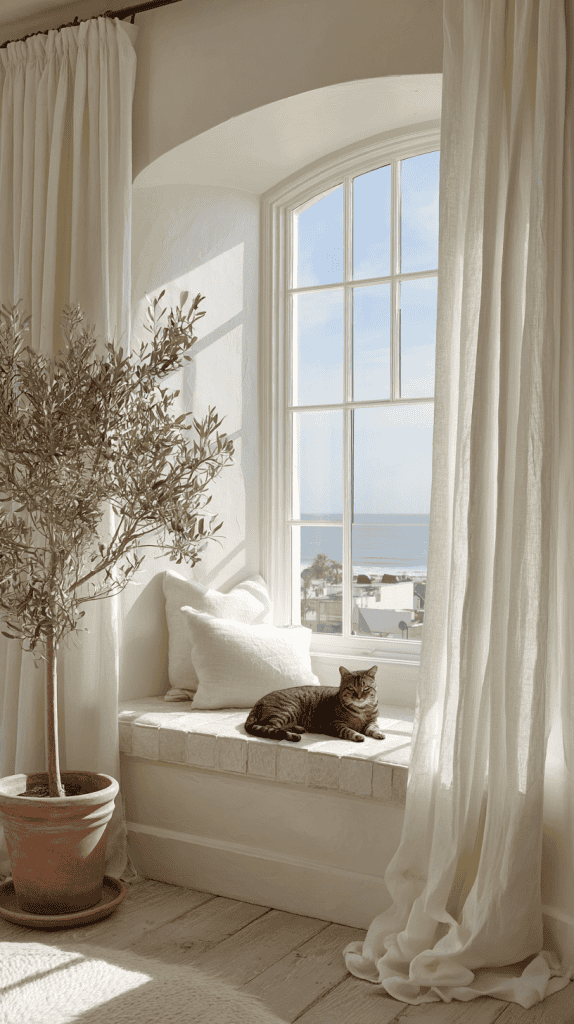
Clamp-on perches latch right onto window frames with adjustable brackets. No drills, no holes, nothing permanent, so they’re a win for renters. Most versions handle cats up to 15kg and can be taken down in seconds.
Floating shelf perches mount to walls beside windows with hidden brackets, making them look built-in and letting you extend further from the window than clamp-on types.
| Perch Type | Weight Capacity | Installation | Rental-Friendly |
|---|---|---|---|
| Clamp-on | Up to 15kg | No tools required | Yes |
| Floating shelf | Up to 20kg | Wall mounting | Requires drilling |
| Suction cup | Up to 7kg | Press and stick | Yes |
DIY fans often grab wooden shelves, toss on some soft cushioning, and call it a day. Removable fleece covers make cleaning a breeze and keep things comfy.
Essential features for window perch micro houses? Non-slip surfaces, raised edges for safety, and weather-resistant materials. A few even sneak in tiny storage nooks for toys or treats.
Set perches at different heights if you want to create climbing routes. Stack a few together and suddenly you’ve got a whole window ecosystem—cats can hop between levels and pick the view they like best.
Think about window direction before you install anything. South-facing windows mean maximum sunshine, while north-facing ones stay cooler on hot days.
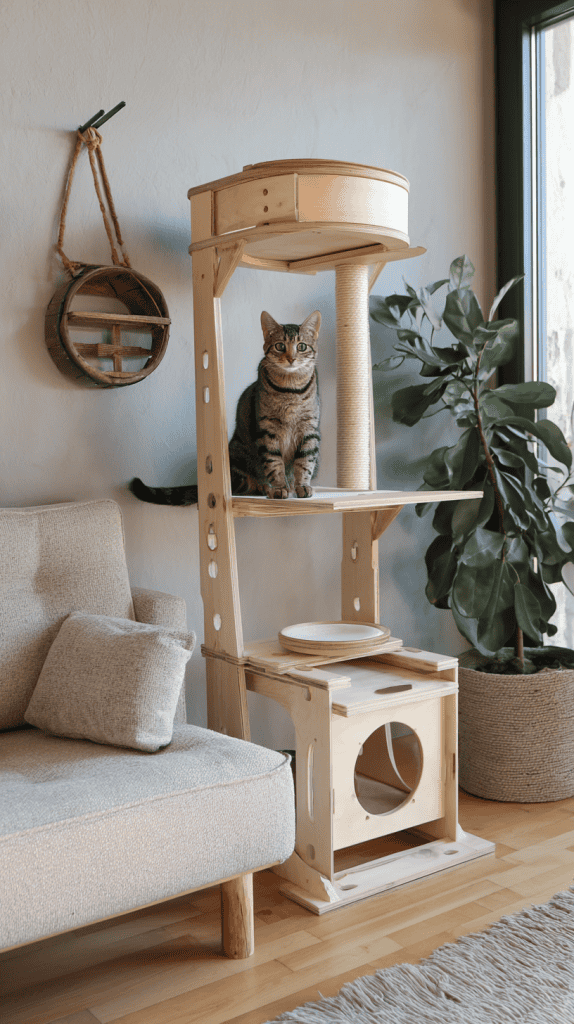
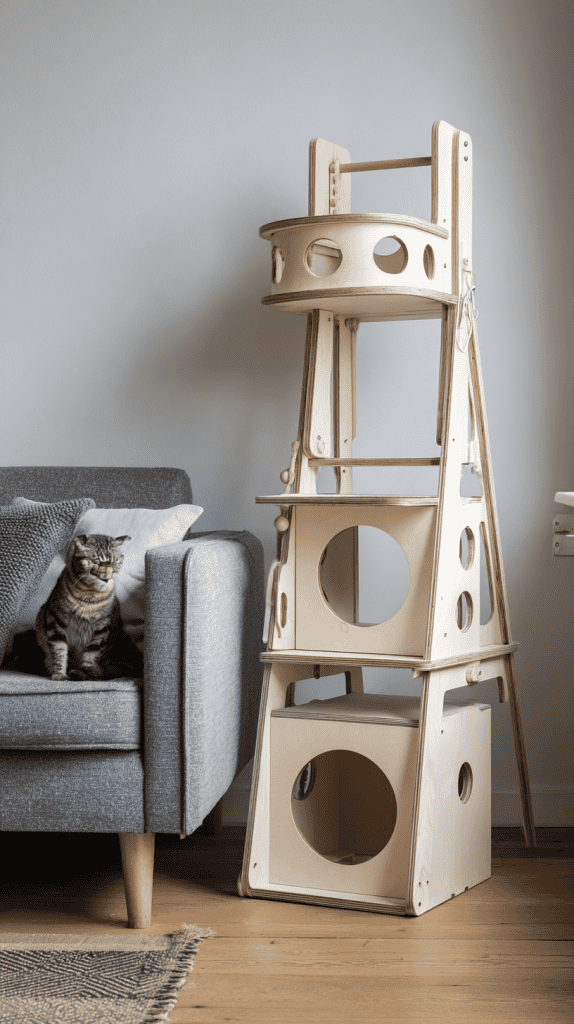
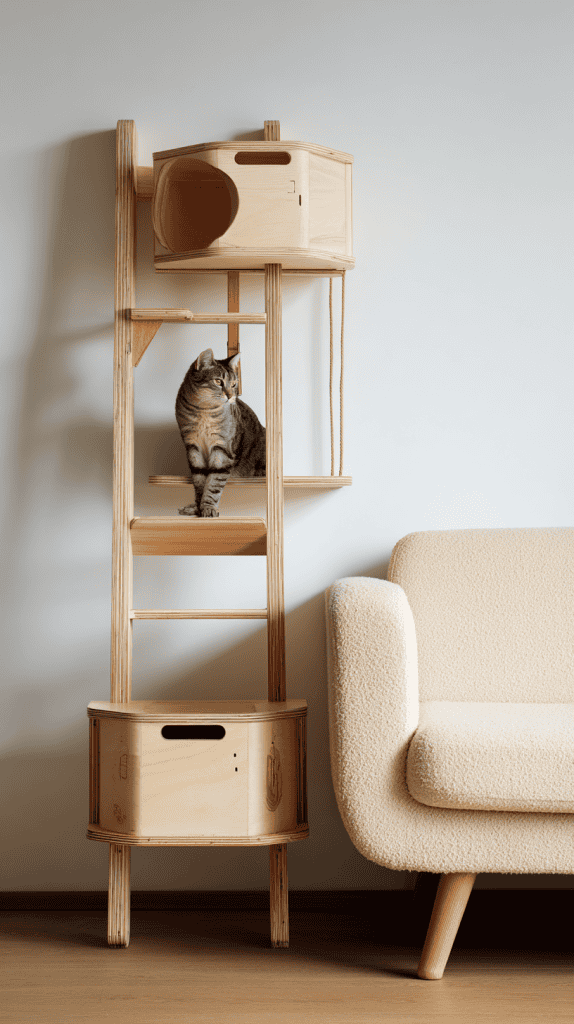
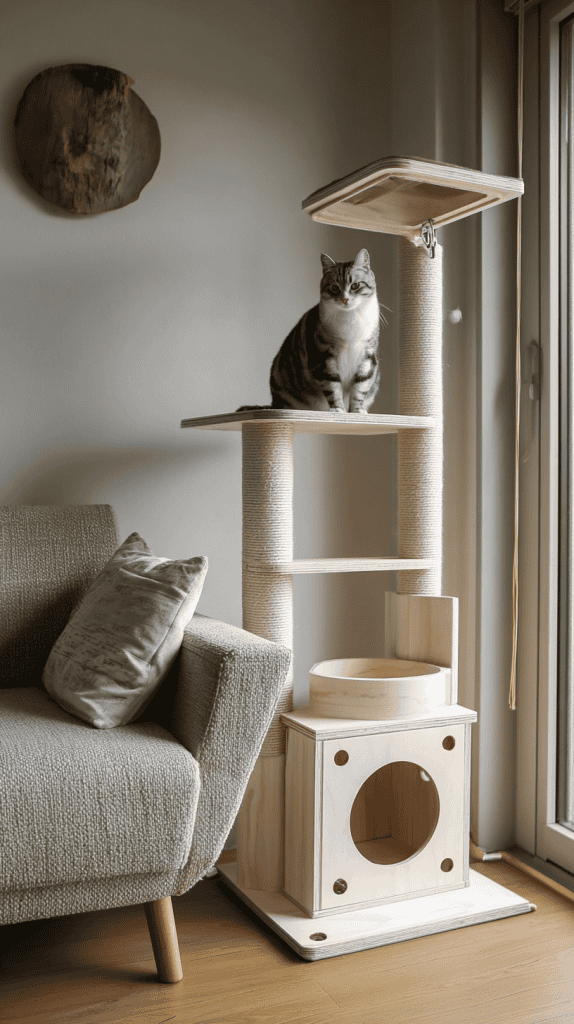
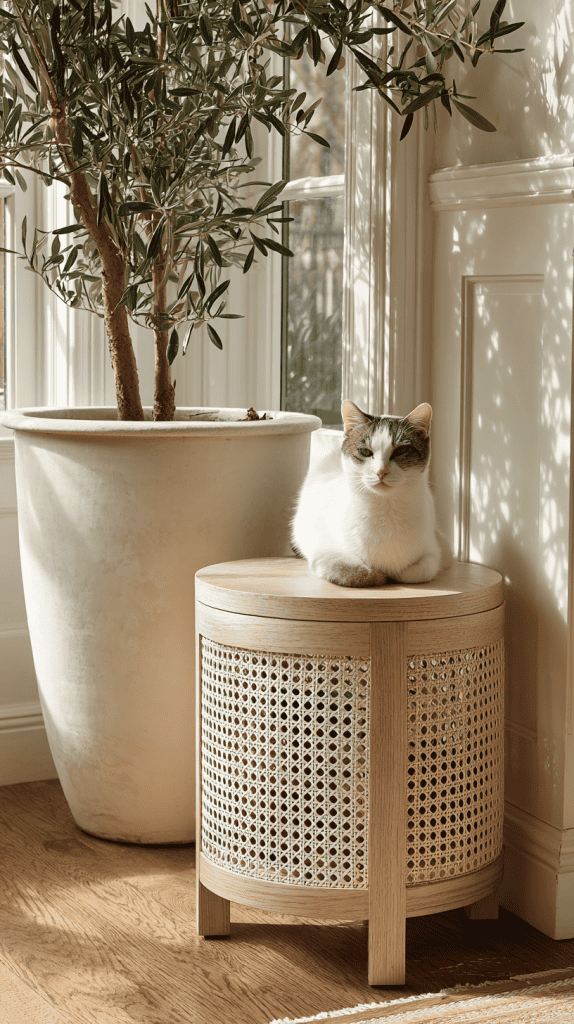
4. Slimline Sofa-Side Tower (End-Table Cat Houses) Ideas
End-table cat houses mix real furniture function with feline comfort. These slim towers slide right next to sofas, giving cats vertical territory and a spot to hide out.
Wooden Minimalist Designs keep things simple with clean lines and neutral shades. Most have a tabletop for lamps or drinks, so they’re actually useful for humans too.
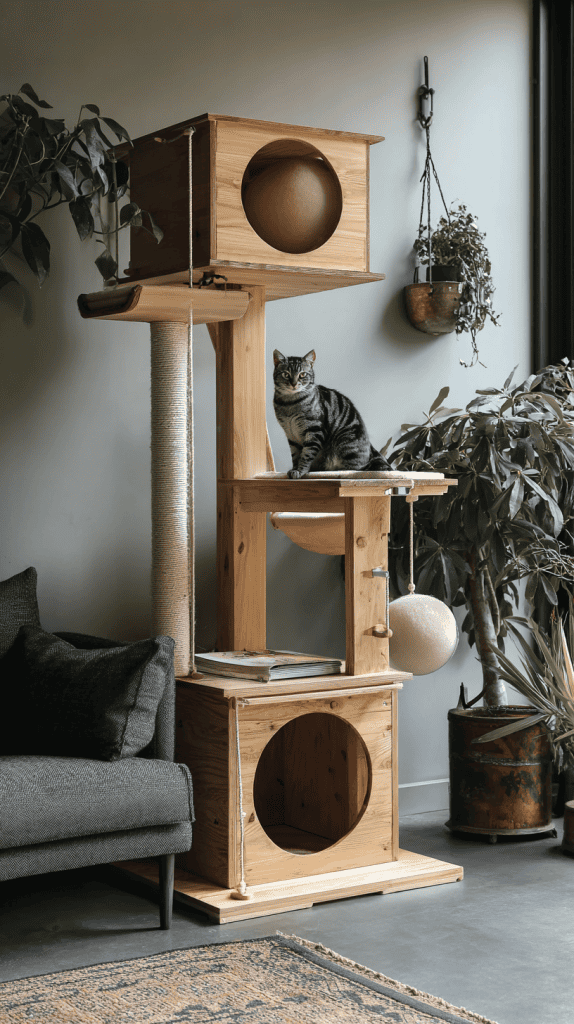
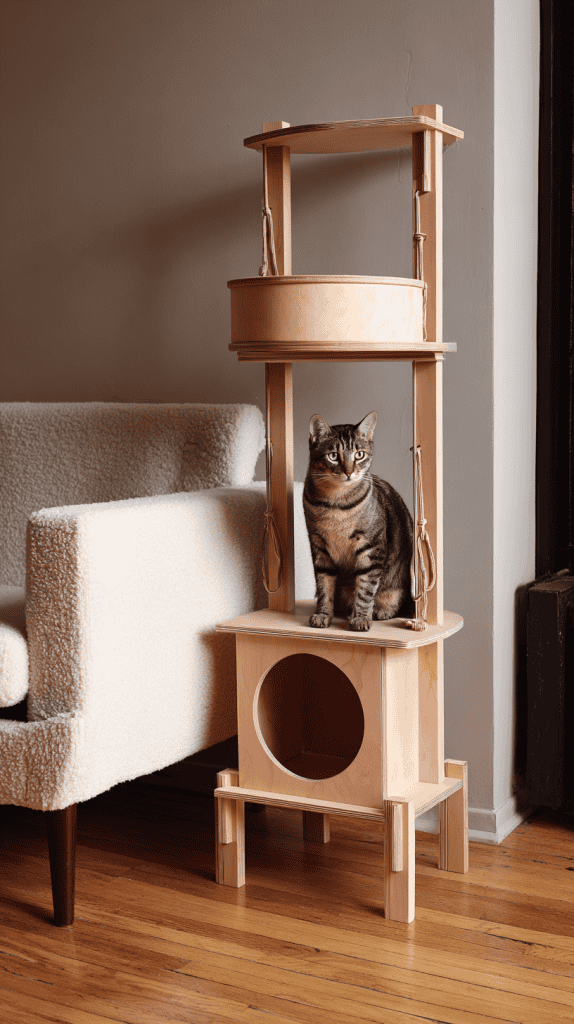
Key Features to Consider:
- Height: 60-90cm towers give multiple levels without crowding the room
- Width: 30-40cm depth fits in standard sofa gaps
- Entry points: Side openings so you don’t block the table top
- Materials: Solid or engineered wood for lasting use
People love two-tier designs with a top sleeping nook and a hideaway below. Some add scratching posts along the sides or line the inside with carpet for claw care.
Space-Saving Benefits:
| Feature | Advantage |
|---|---|
| Narrow footprint | Uses up sofa-side space you’d ignore otherwise |
| Dual function | Replaces a separate end table |
| Vertical design | Gets the most out of your floor space |
Placement Tips: Keep towers out of busy walkways but close enough for you to reach. Make sure the top doesn’t wobble when cats leap up and down.
Plenty of models have removable cushions for easy washing and cable management holes for chargers. The neutral look means these blend in with your décor instead of sticking out.
Pick designs with rounded edges and solid bases so they don’t tip when cats get the zoomies.
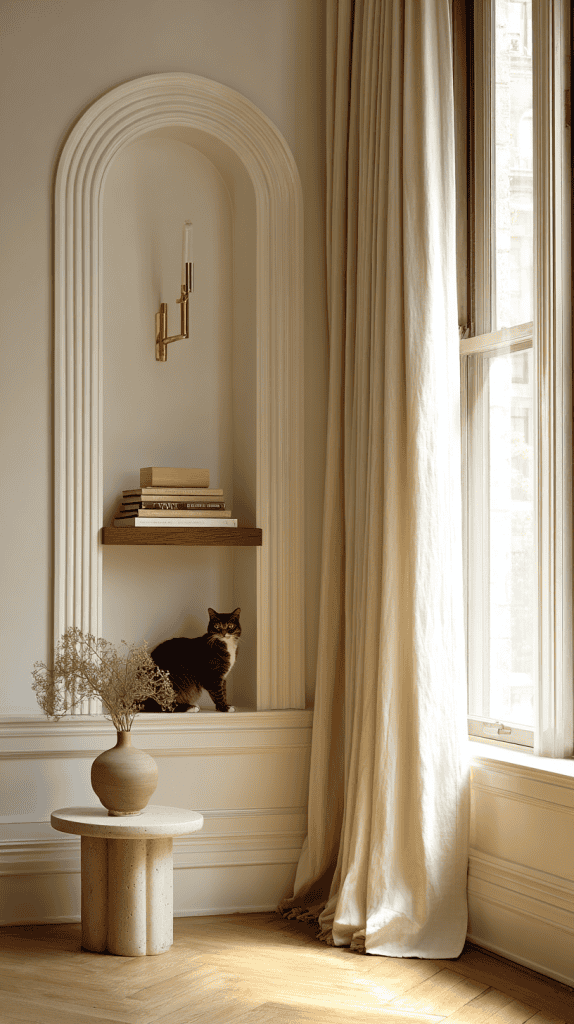
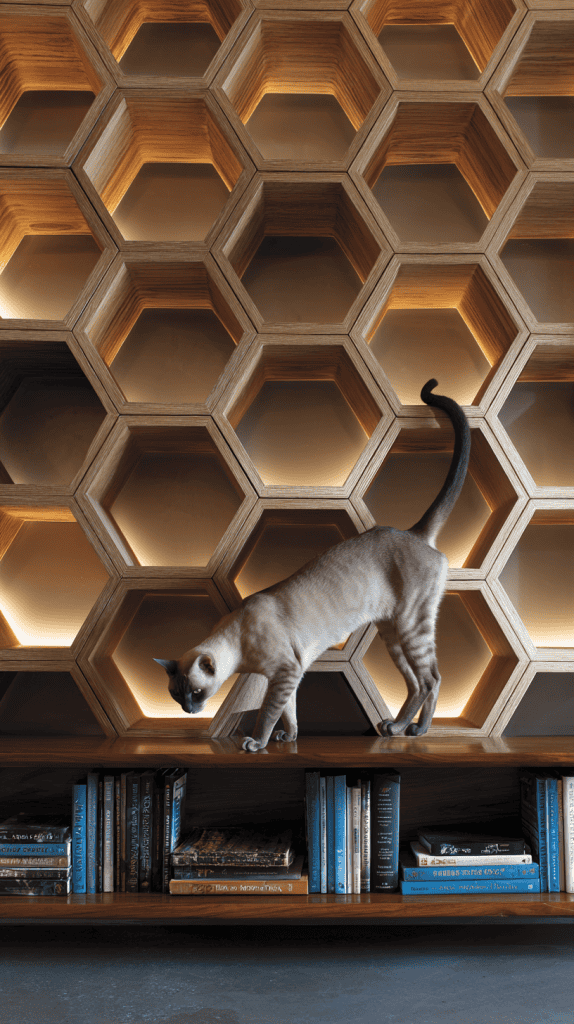
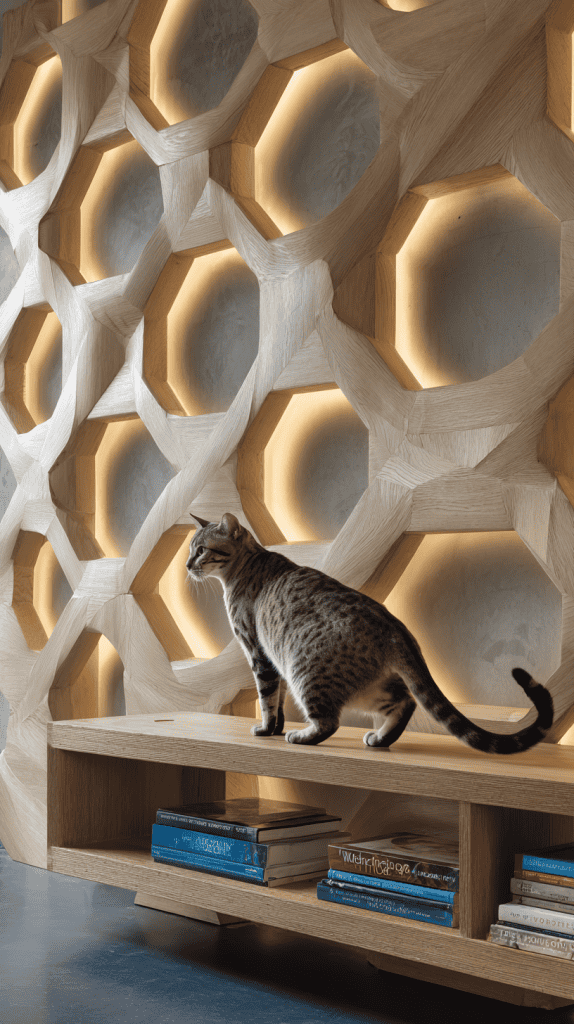
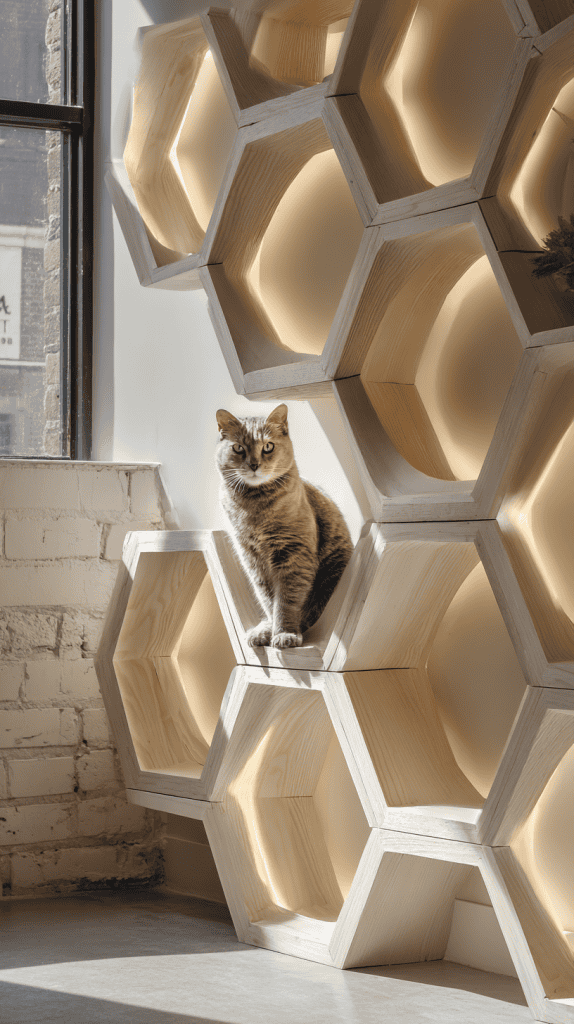
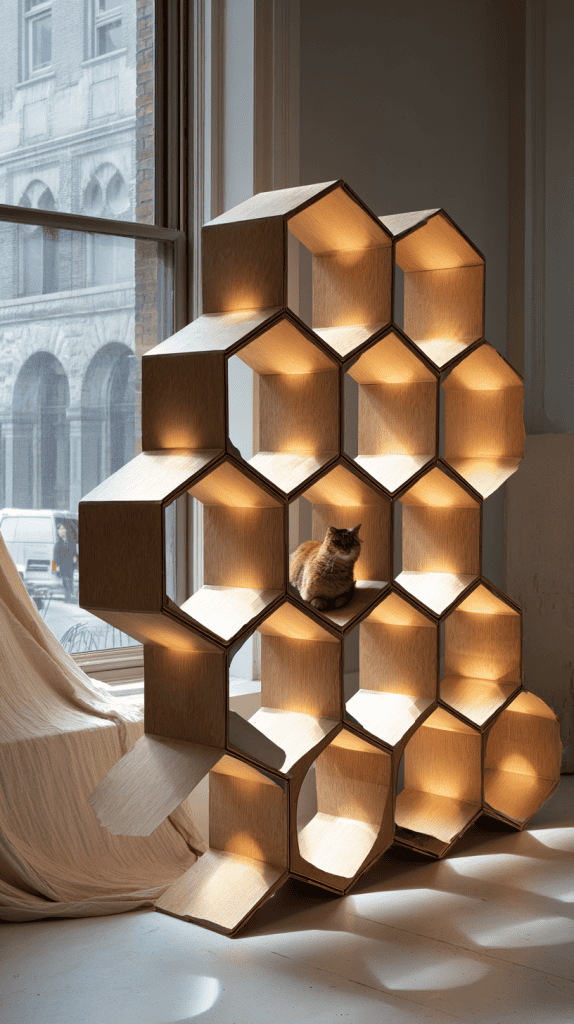
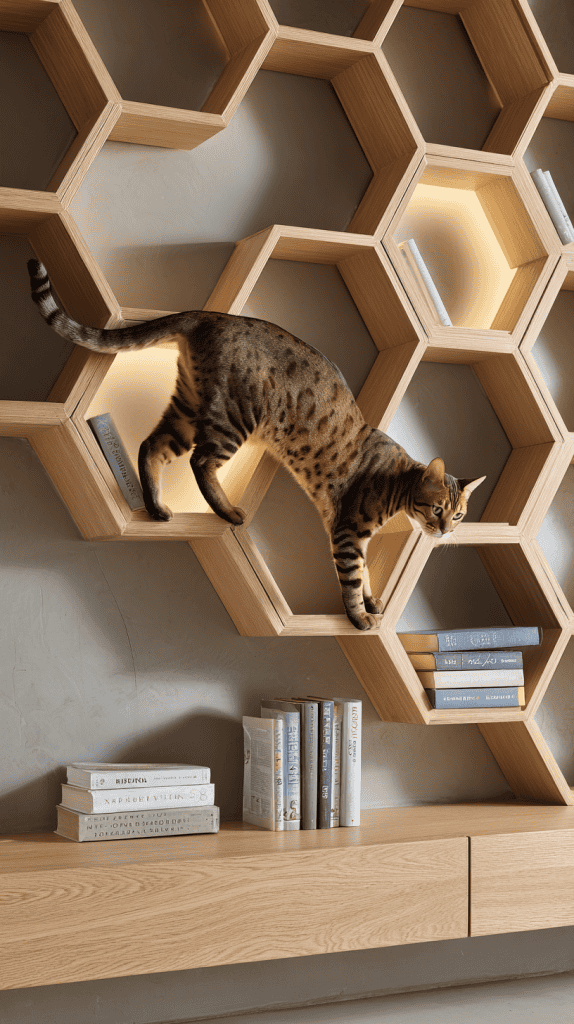
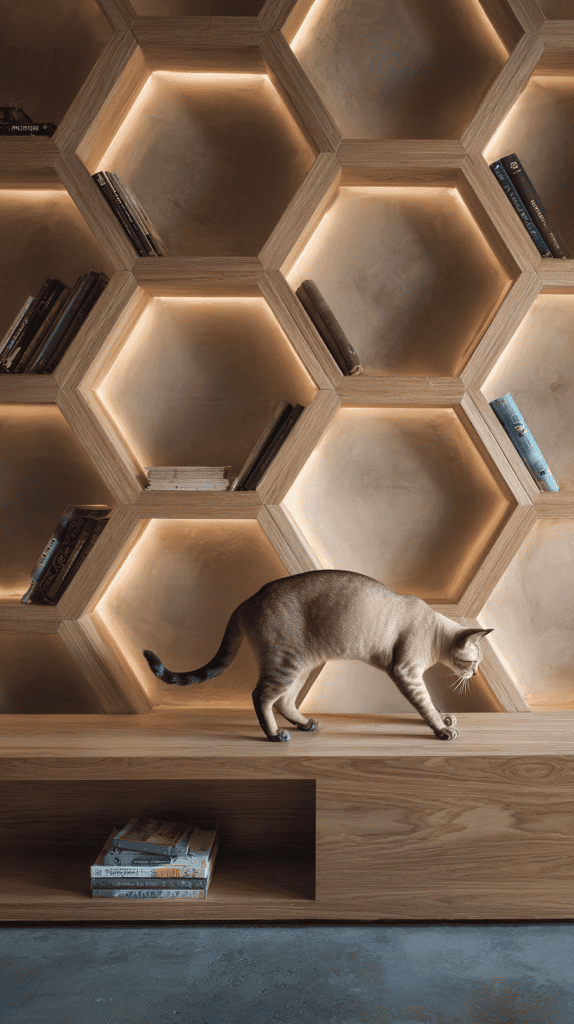
5. Wall-Mounted Arched Nook Ideas
Wall-mounted arched cat nooks give you back your floor and add an elegant focal point to small flats. These curved shelves let cats perch securely up high and look good doing it.
Curved Wooden Shelves bring a sophisticated touch to modern spaces. The arch shape pops against flat walls, and most hold cats up to 7kg without trouble.
Cushioned Arched Pods mix comfort and style with built-in bedding. Cats who like a semi-private spot seem to love these. Removable covers make cleaning less of a chore.
| Material | Weight Limit | Installation |
|---|---|---|
| Pine Wood | 7kg | Wall anchors |
| MDF | 5kg | Screws only |
| Metal Frame | 10kg | Heavy-duty bolts |
Placement Considerations really matter. Mount nooks 60-90cm above the floor to hit the sweet spot for most cats. Put them near windows if you want your cat to have a view.
Multi-Arch Configurations let you build a climbing path along the wall. Space each nook 45-60cm apart so cats can jump safely between them. Suddenly, that blank wall is cat furniture.
Built-in Scratching Surfaces add more than just a place to sit. Wrap sisal rope around brackets or slap a scratching pad right on the arch. Now it’s a perch and a scratcher.
When you install these, make sure to hit wall studs or use heavy-duty anchors. Cats can be rough on their furniture, especially when they jump around.
6. Tension-Pole Nest House Ideas
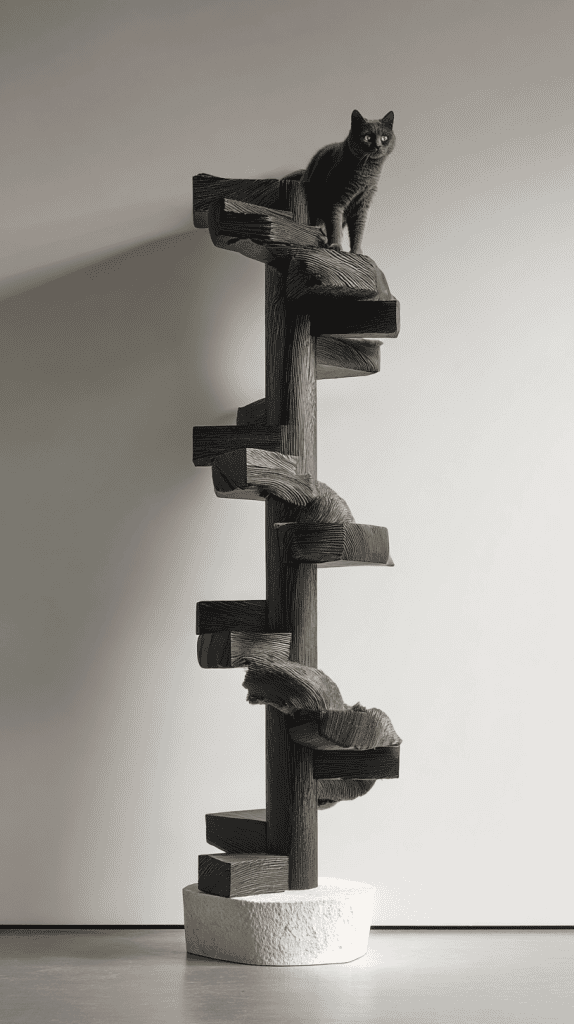
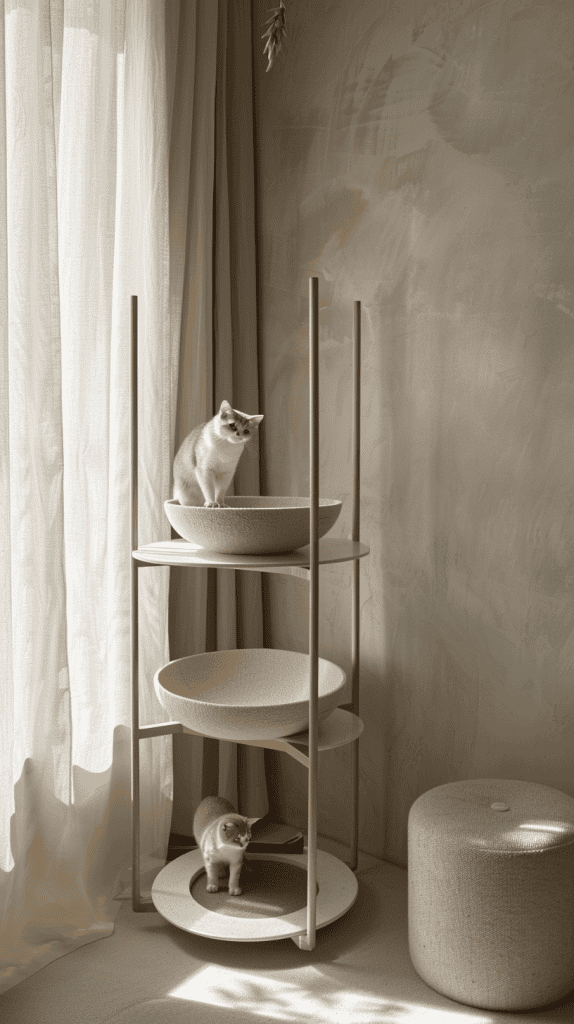
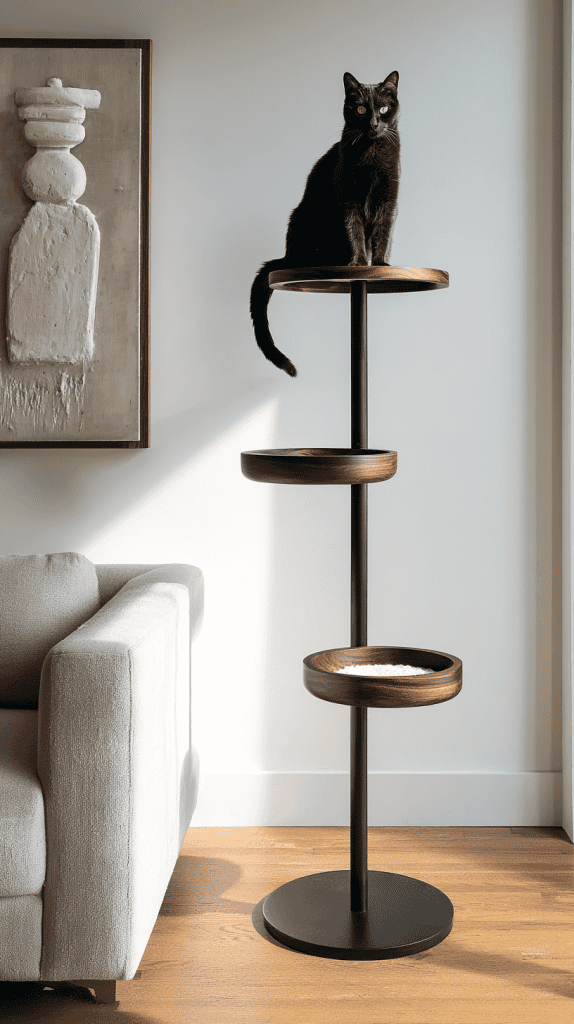
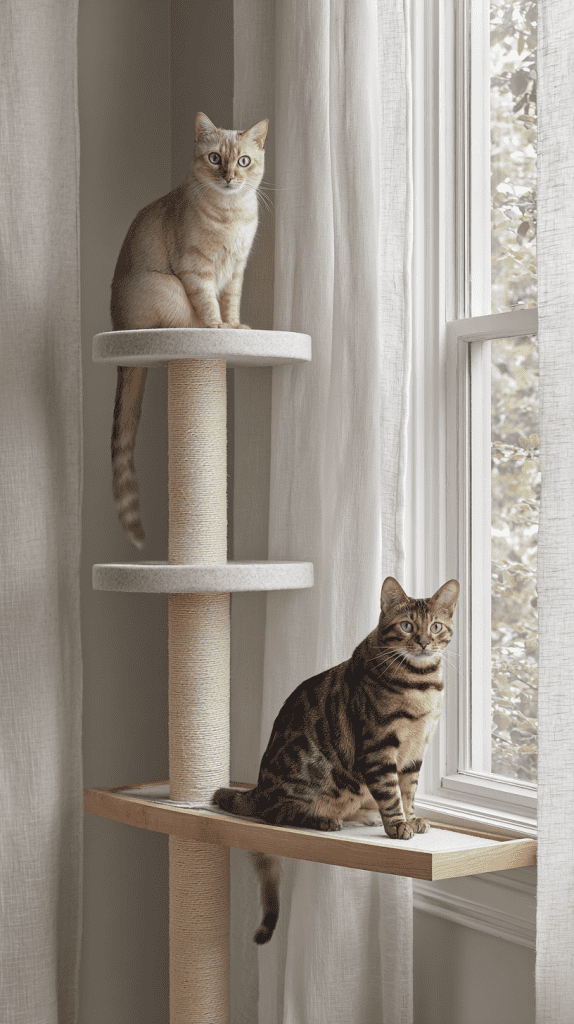
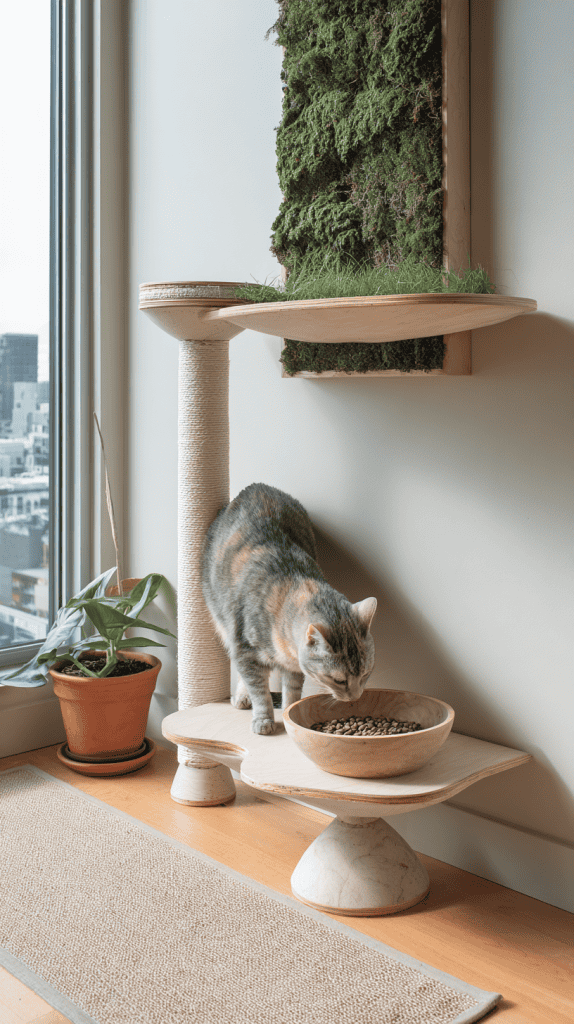
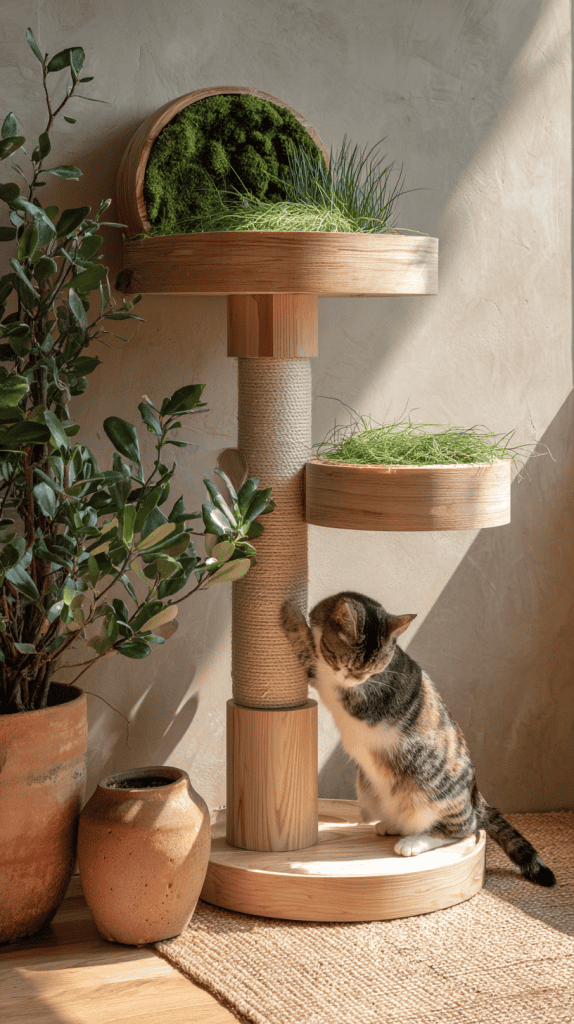
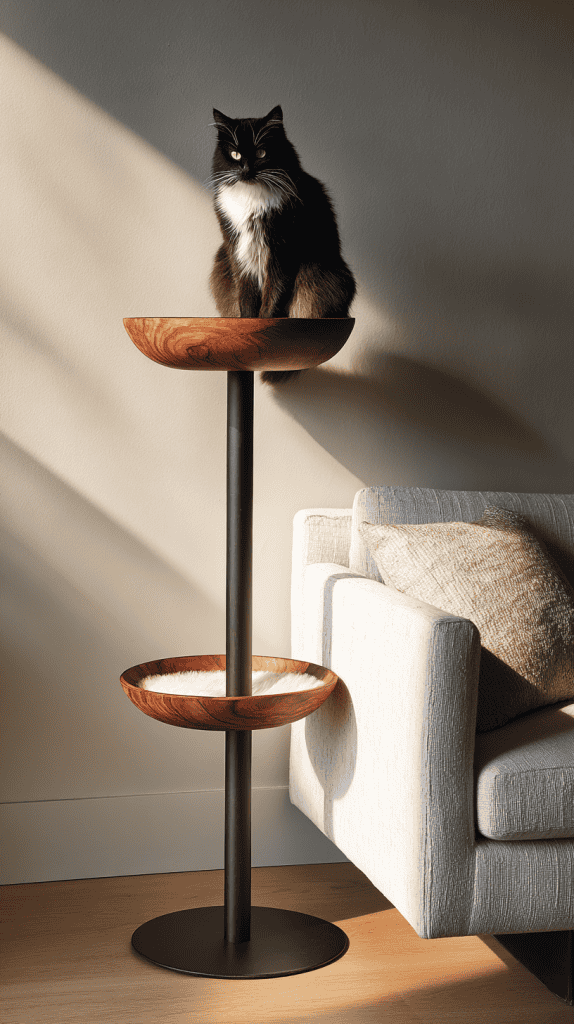
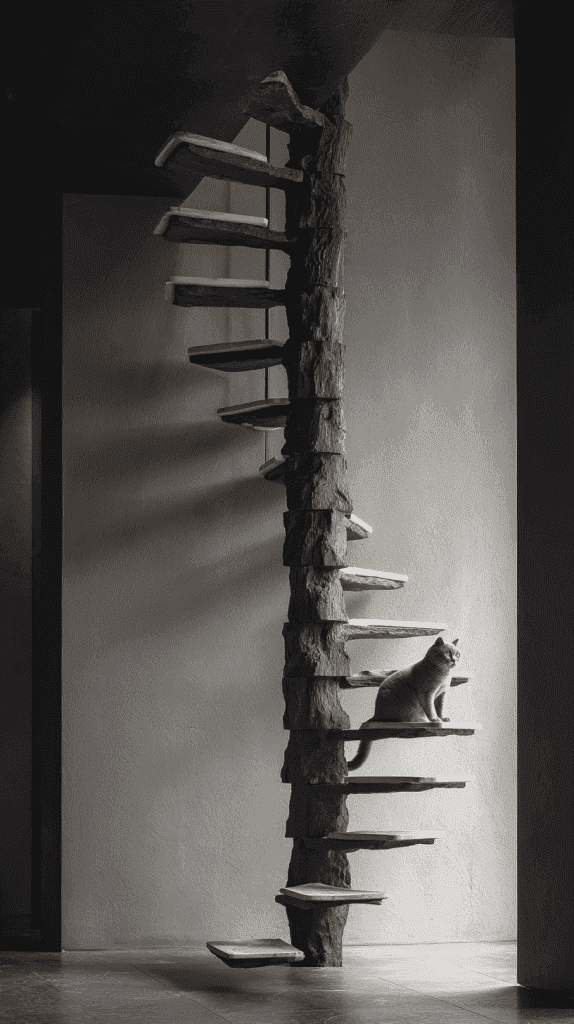
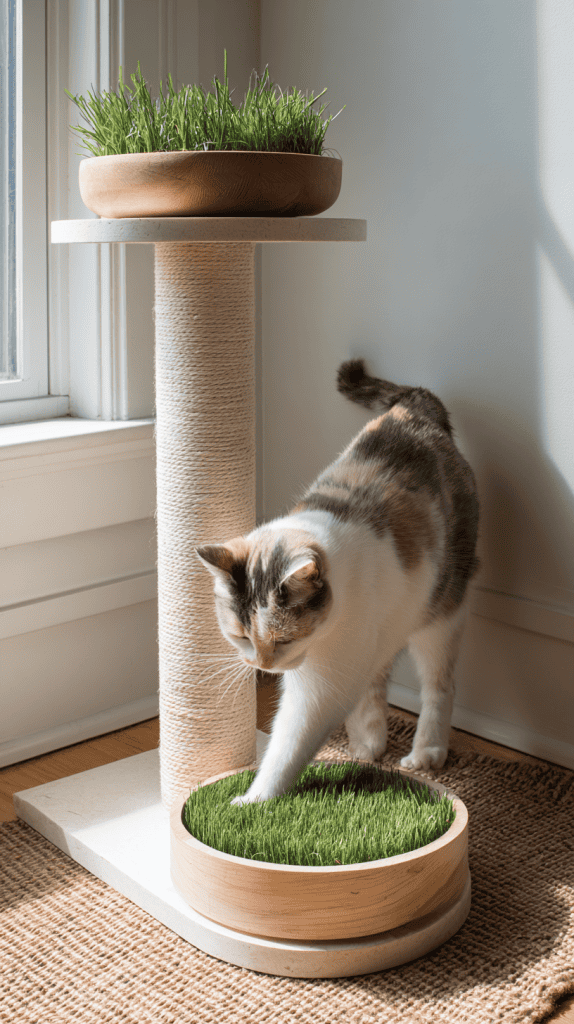
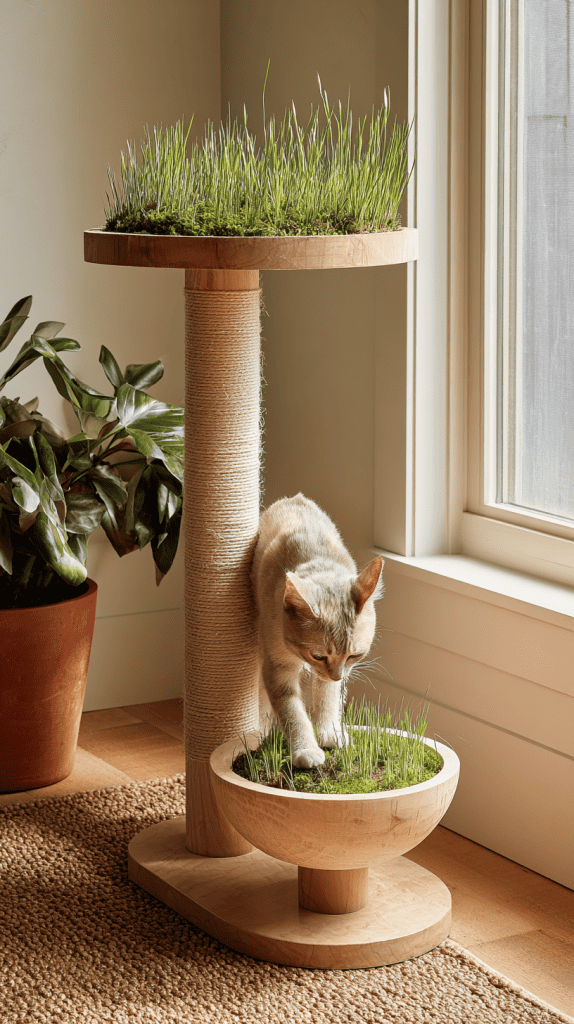
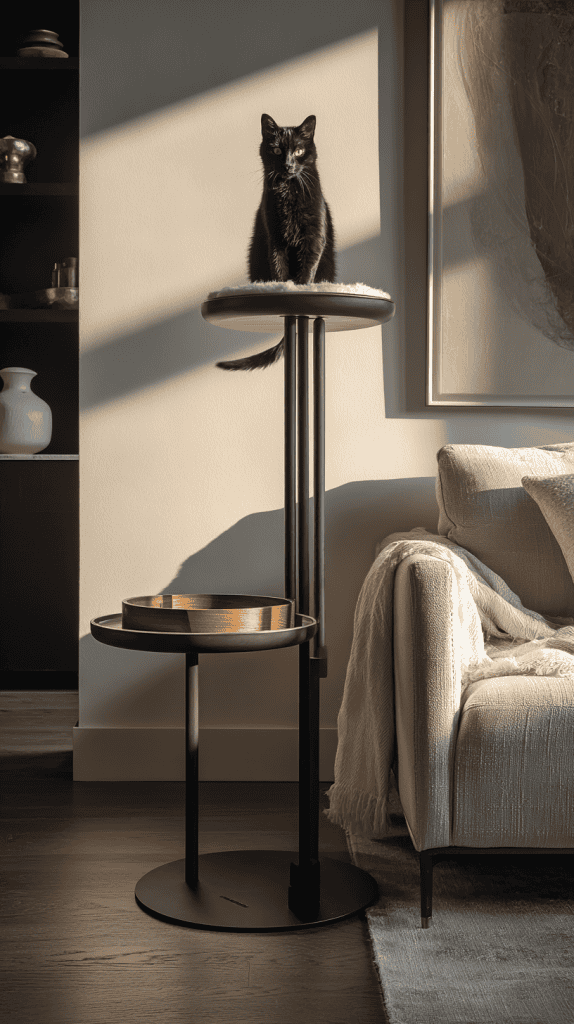
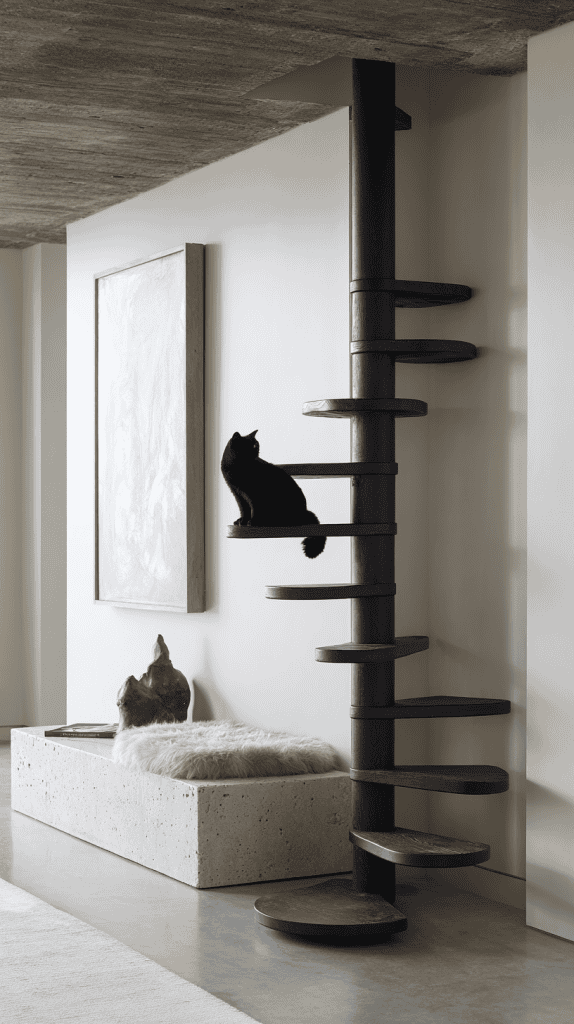
Tension-pole cat houses let you go vertical without drilling holes or mounting anything. These floor-to-ceiling setups just wedge themselves in place, no fuss.
Here’s the gist: a spring-loaded pole stretches between the floor and ceiling. You attach platforms at different heights for climbing, and some models throw in an enclosed nest box for privacy.
Popular tension-pole setups:
- Single pole with 3-4 platforms
- Dual-pole systems for extra stability
- Curved perches for lounging
- Enclosed pods for sleeping
Most tension poles work with ceilings from 2.1 to 3 metres. The spring inside adjusts to press firmly against the surfaces, so you don’t damage anything.
Key features to look for:
| Feature | Benefit |
|---|---|
| Carpeted surfaces | Gives cats grip for climbing |
| Removable cushions | Makes cleaning way easier |
| Sisal scratching posts | Lets cats keep their claws in shape |
| Multiple entry points | Helps stop territorial squabbles |
Most models hold 15 to 25 kilograms across all the platforms, so you can trust them with bigger cats or even a couple at once.
Set up needs solid, flat floors and ceilings. Textured or sloped ceilings might give you trouble—those poles need a good grip.
Some designs have modular pieces so you can shuffle platforms or add extras whenever you feel like it.
The tiny footprint is perfect for studio flats or bedsits. Usually, you’re using less than a square metre of floor space but gaining loads of vertical territory for your cat.
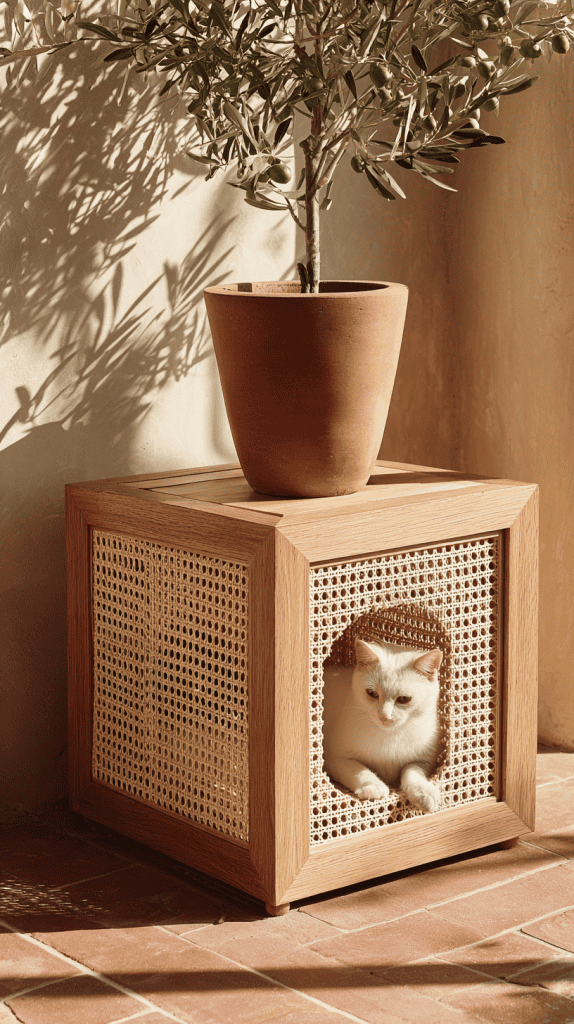
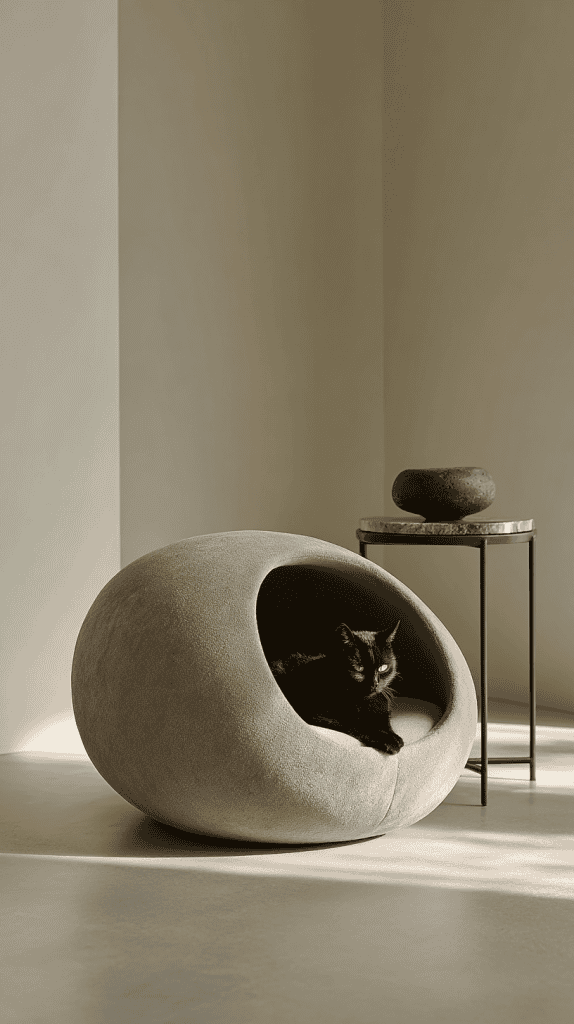
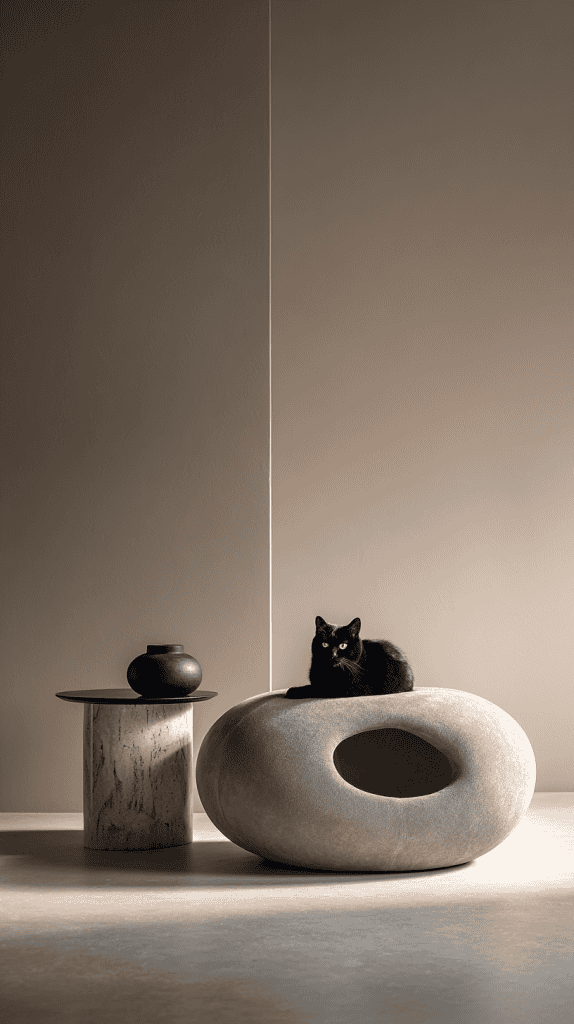
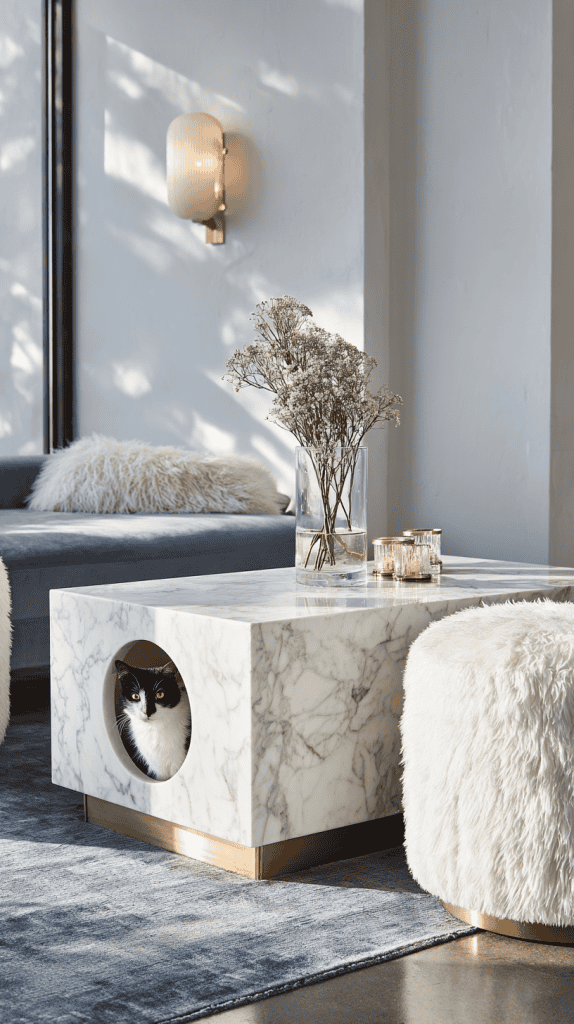
7. Dual-Use Ottoman & Coffee-Table House Ideas
Ottoman cat houses pull double duty in small apartments, giving you a seat and your cat a hideaway. Smart, right? They save floor space and offer cozy retreats for your furry friend.
Storage Ottoman Cat Houses do it all: sit on top, stash cat toys inside, and give your cat a comfy den at the base. Removable cushions make it easy to keep things clean.
Coffee table cat houses blend right in with your living room. The tabletop holds your drinks or magazines, and underneath, your cat gets a private nook. Glass-top versions are fun if you like peeking in on your cat without bothering them.
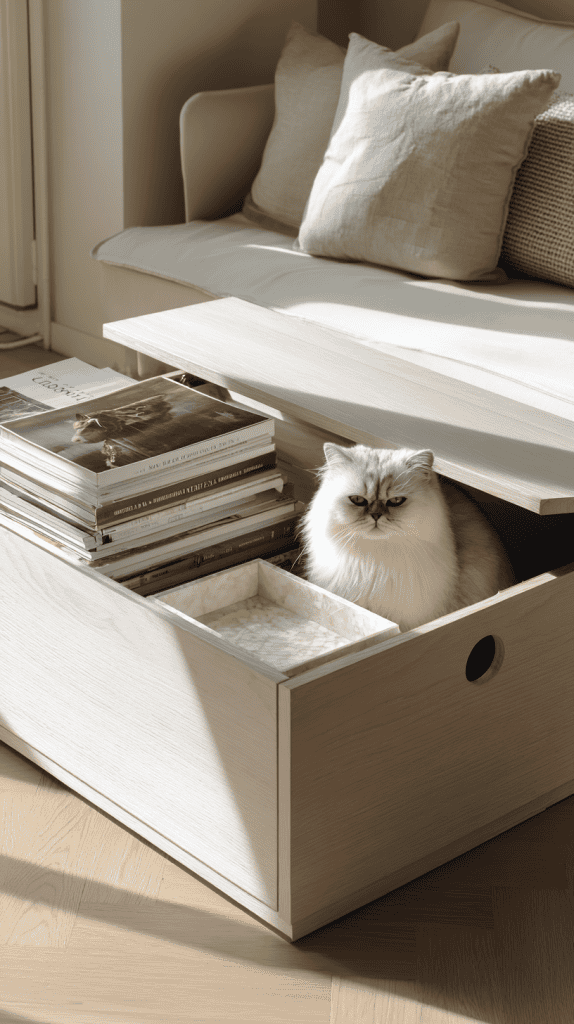
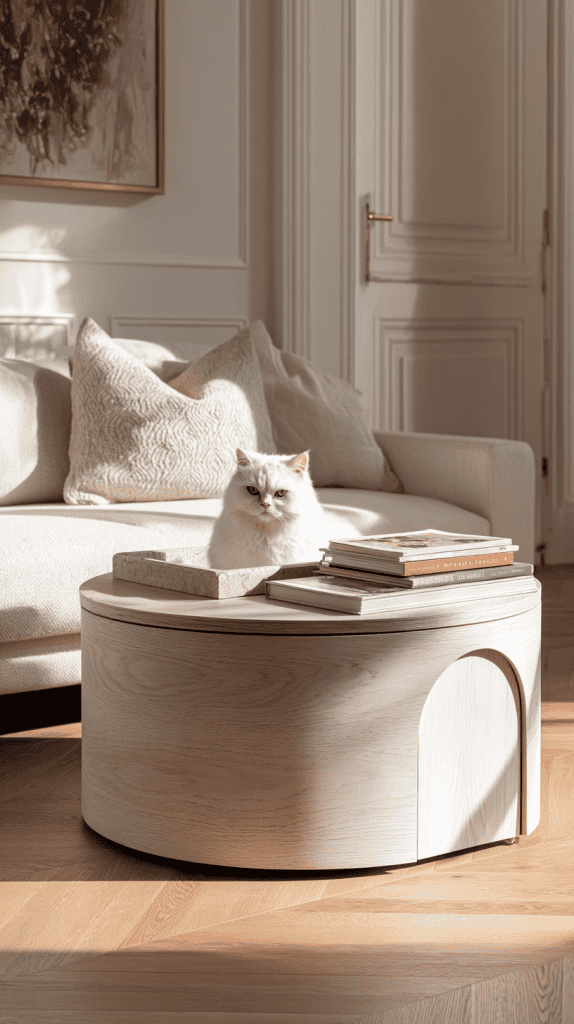
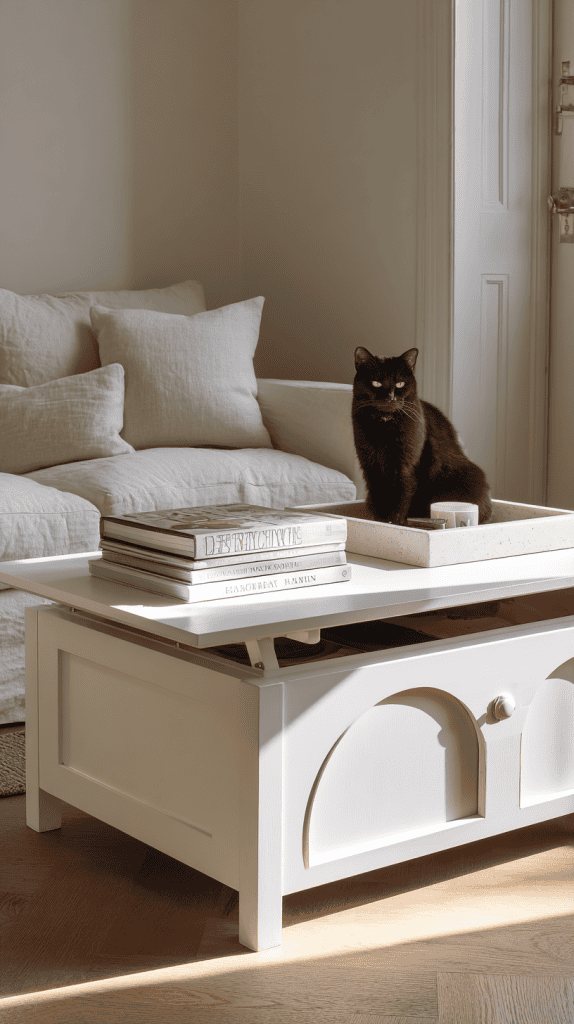
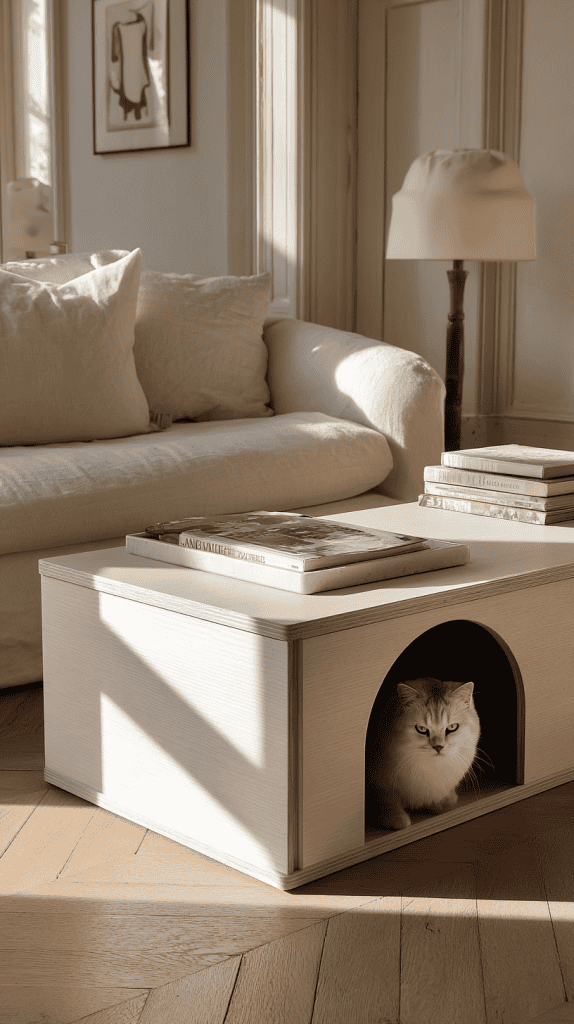
| Feature | Ottoman House | Coffee Table House |
|---|---|---|
| Seating | Yes | Limited |
| Storage | High | Moderate |
| Visibility | Enclosed | Semi-open |
| Size Options | Multiple | Large mainly |
Key Design Elements:
- Removable, washable cushions
- Ventilation holes for airflow
- Built to hold human weight
- Easy-access entrances for cats
- Neutral colours that blend in
DIY tweaks can really make these your own. Add soft blankets, pop in battery LED strips, or put in a scratching pad. Some folks even build in a little shelf for their cat to perch on inside.
Space needs depend on the type. Ottoman houses fit in a 60cm square, while coffee table versions usually need about 120cm by 60cm. Either way, you can skip buying separate cat furniture, which is a win for tight spaces.
These work best for cats who like ground-level hideouts more than climbing towers.
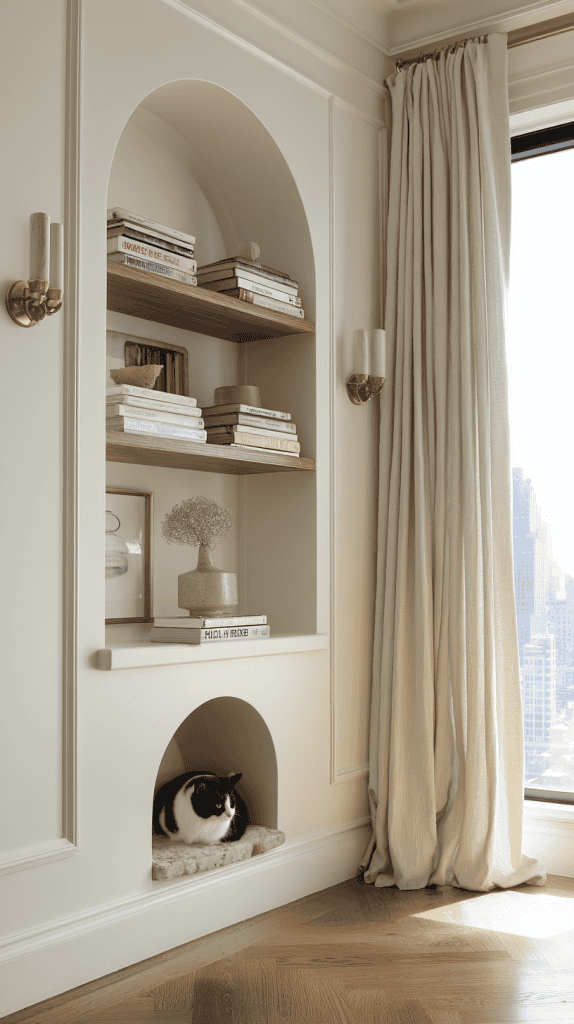
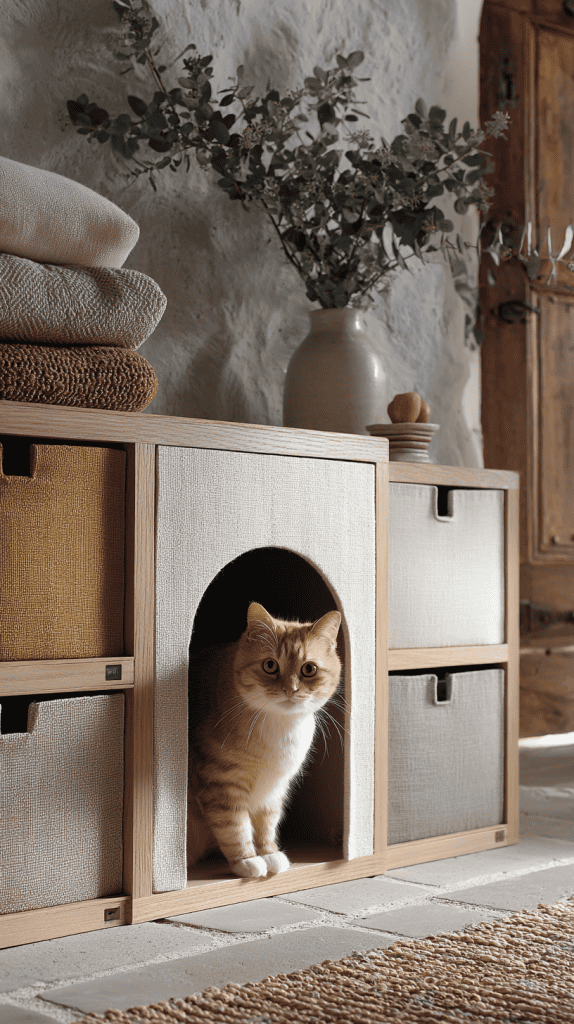
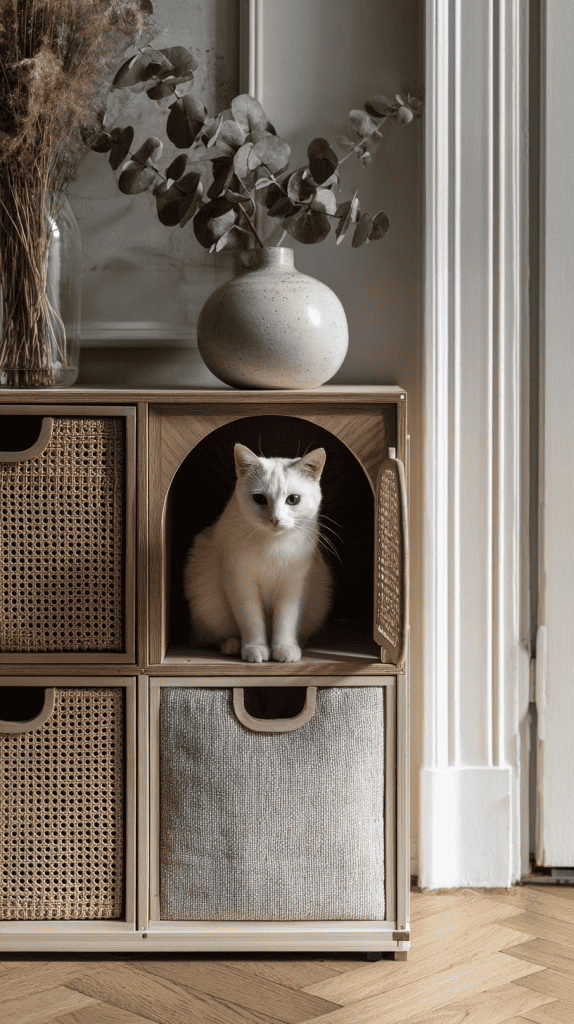
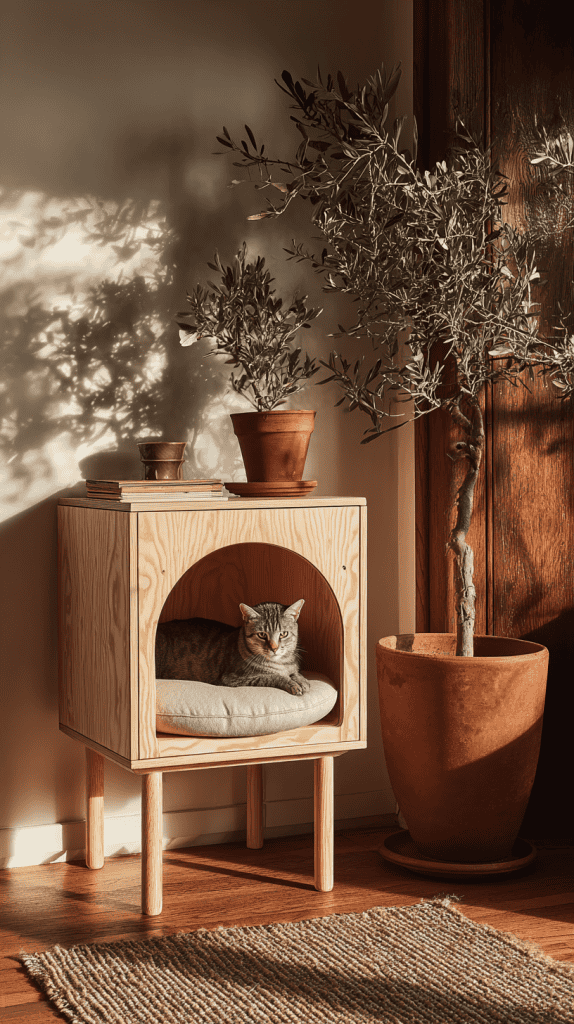
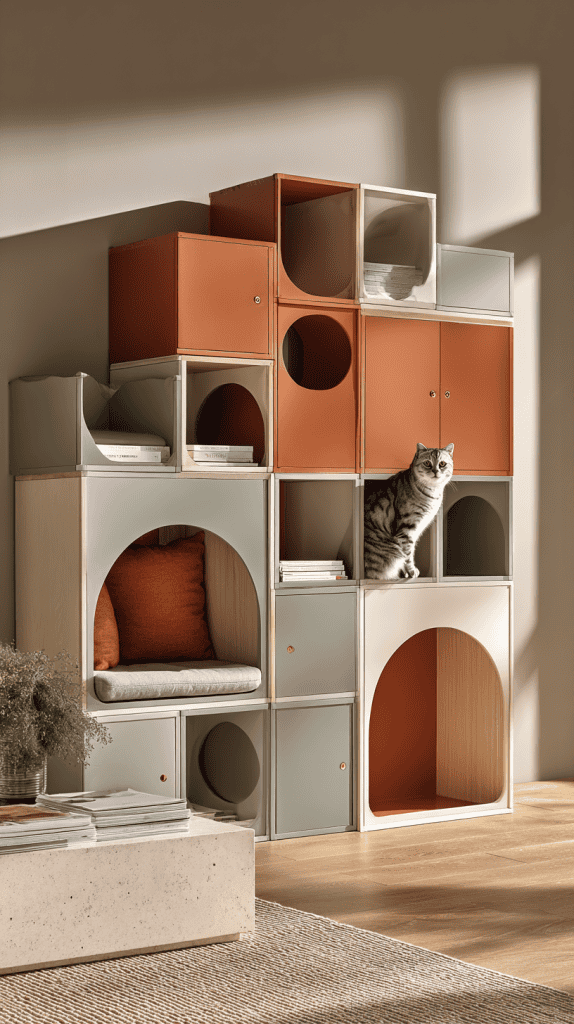
8. Built-In Shelving Bay Cat Alcove Ideas
Built-in shelving bays are a sneaky way to carve out cat spaces in your home without eating up more floor. Just turn those recesses into cat alcoves and you’ve got instant functional space.
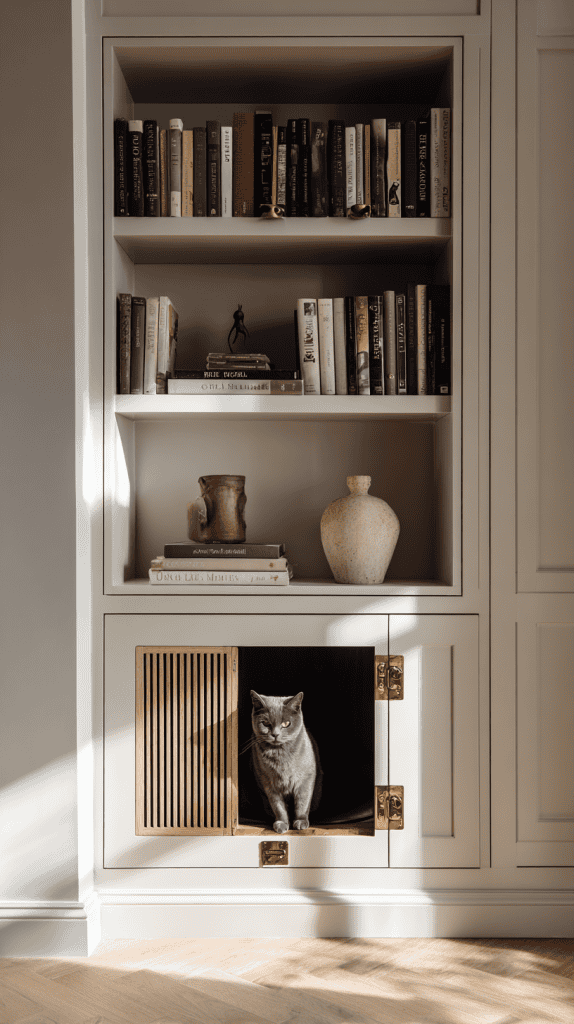
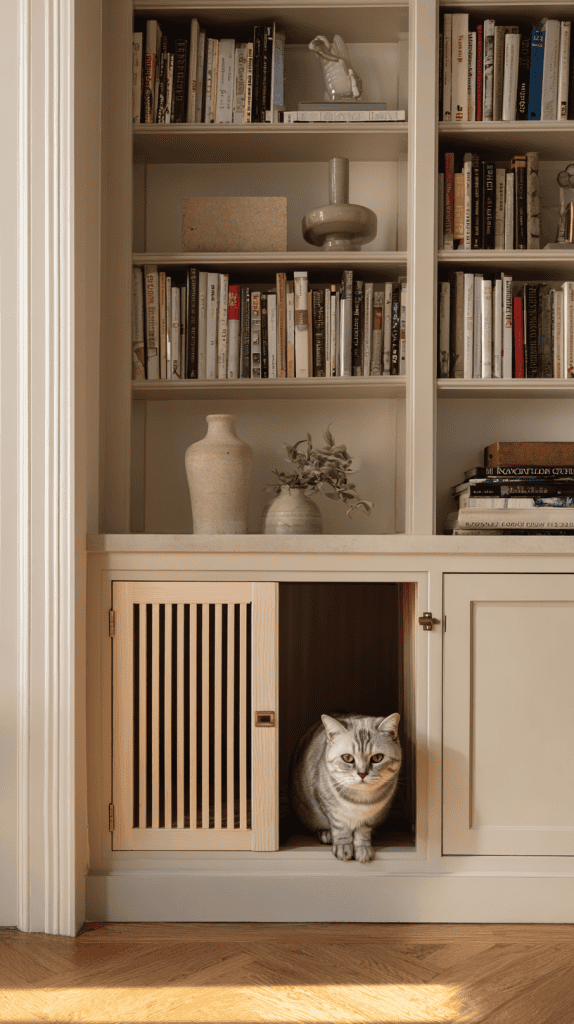
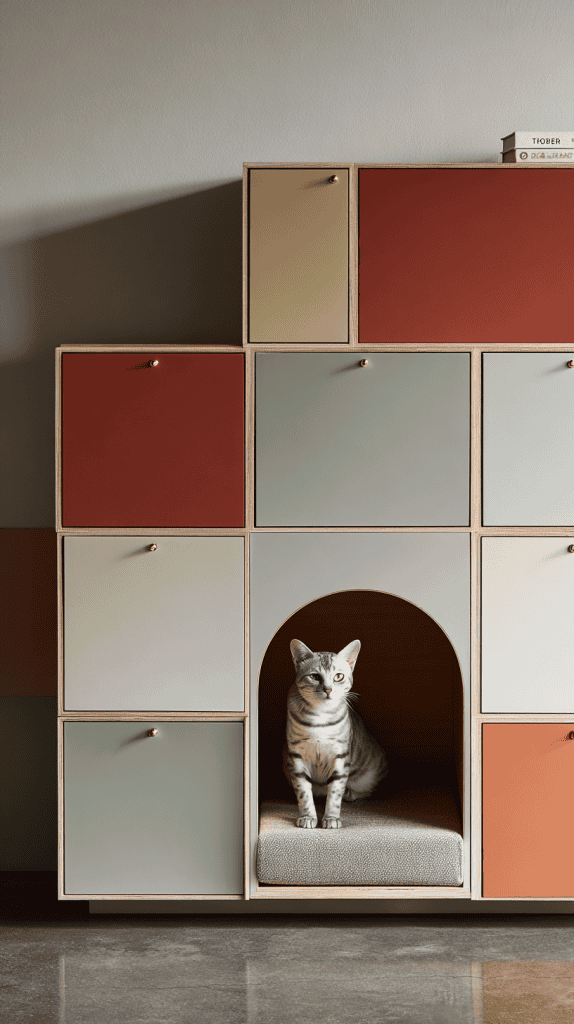
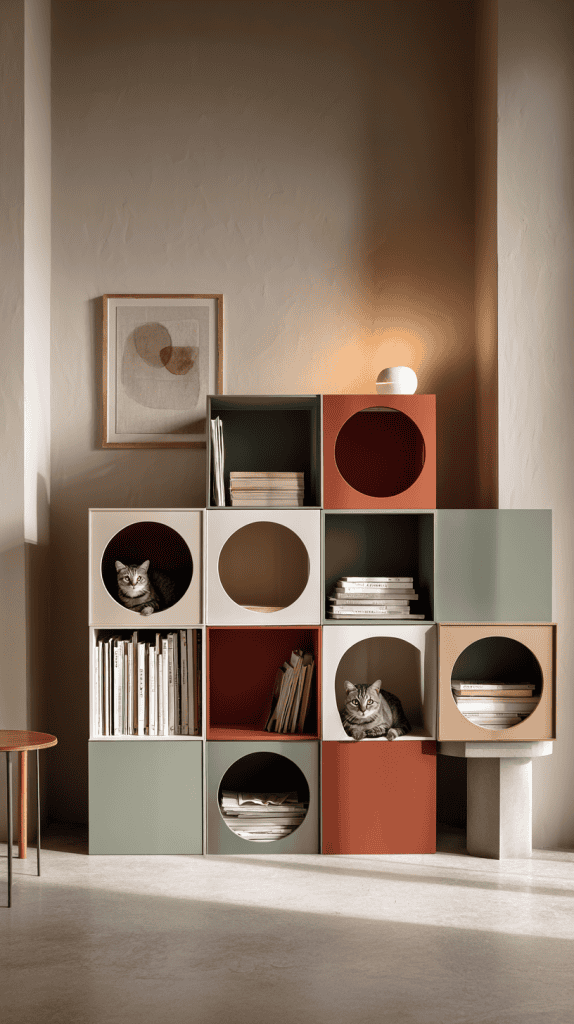
Converting Existing Shelving Units
If you’ve got built-ins, try dedicating a shelf or two to your cat. Pull out a middle shelf for more climbing height but keep storage above and below so you don’t lose function.
Put in carpeted platforms at different heights to encourage climbing. Removable cushions that match your room make cleanup easy and keep things looking sharp.
Essential Features for Cat Alcoves
| Feature | Purpose | Installation |
|---|---|---|
| Non-slip surfaces | Safe climbing | Carpet tiles or grip tape |
| Hiding spots | Security and comfort | Fabric curtains or little caves |
| Scratching areas | Claw care | Sisal rope wrapping |
Lighting and Ventilation
Stick-on LED strip lights work for darker alcoves—no wiring needed. Don’t close things off too much; you want air to flow through.
Multi-Level Configurations
Build stepping stone pathways by alternating shelf heights. Cats can move up and down easily and get plenty of rest spots.
Start the lowest platform about 30cm from the floor for easy jumping. Keep higher shelves no more than 45cm apart so your cat can hop safely.
Integration with Home Décor
Pick materials and colours that go with your built-ins. Natural wood or paint that matches your cabinetry keeps the look consistent.
9. Rattan & Woven Hideaway Ideas
Rattan and woven materials give cat hideaways a stylish edge that actually fits in with most modern home décor. These natural textures warm up small apartments and give cats a spot where they can feel safe and tucked away.
Basket-style hideaways are especially nice for living rooms or bedrooms. Just grab a large wicker basket with a removable lid, and you’ve got an instant cat cave. Toss in a soft cushion or two for extra coziness—cats will thank you.
Woven cat igloos are great for anxious cats who crave privacy. The dome shape, small entrance, and fleece-lined interior make for a snug retreat that feels secure.
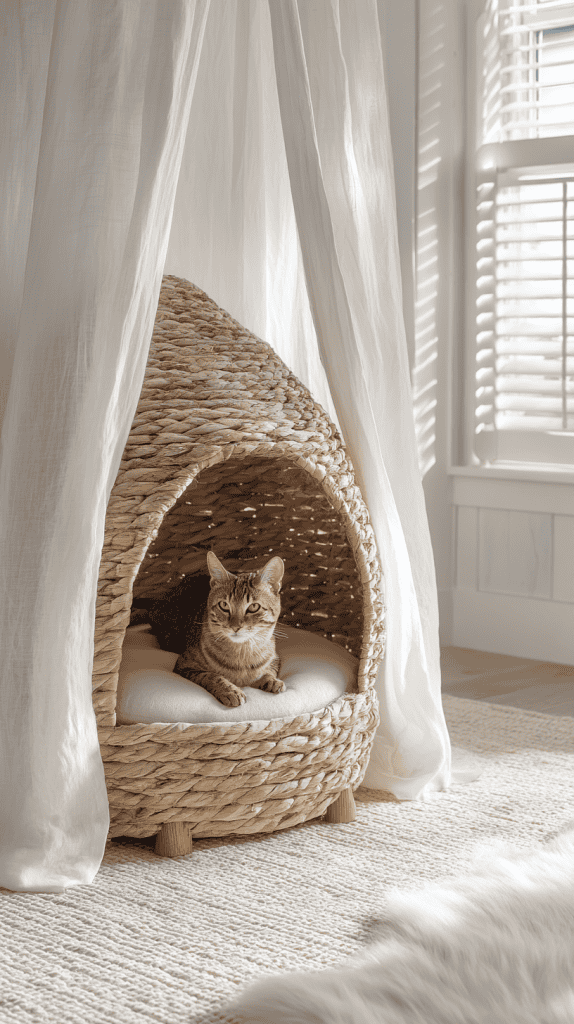
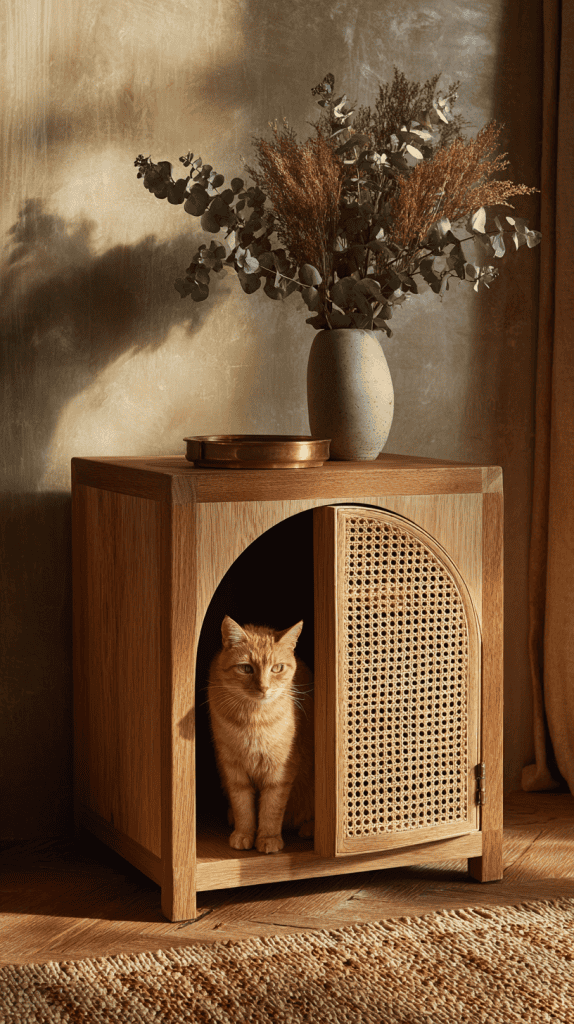
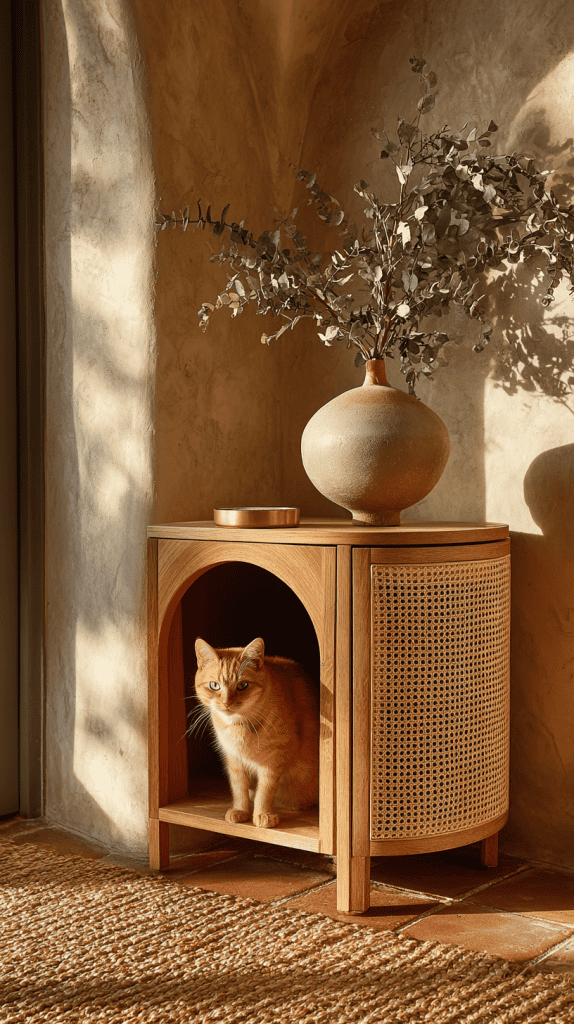
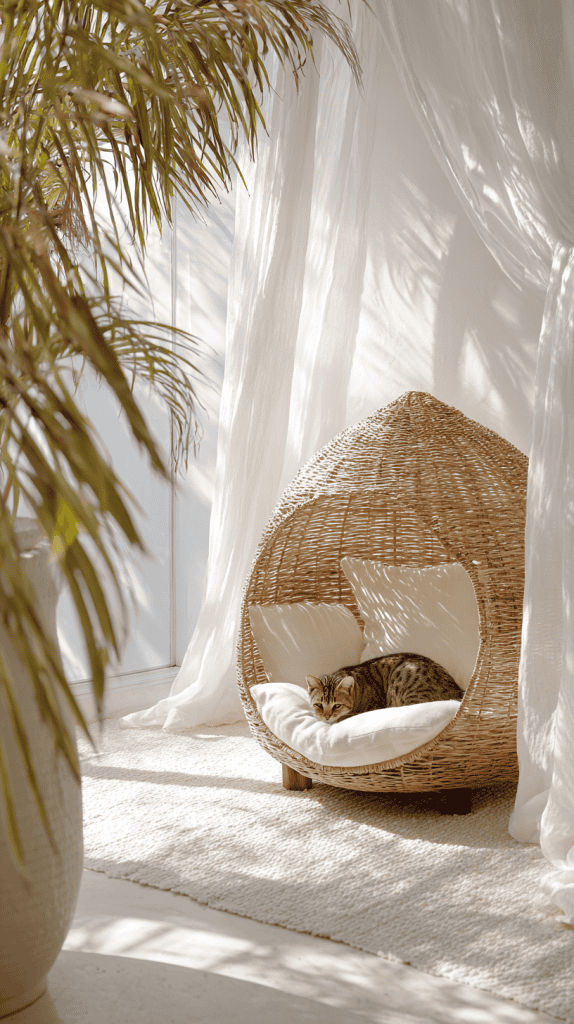
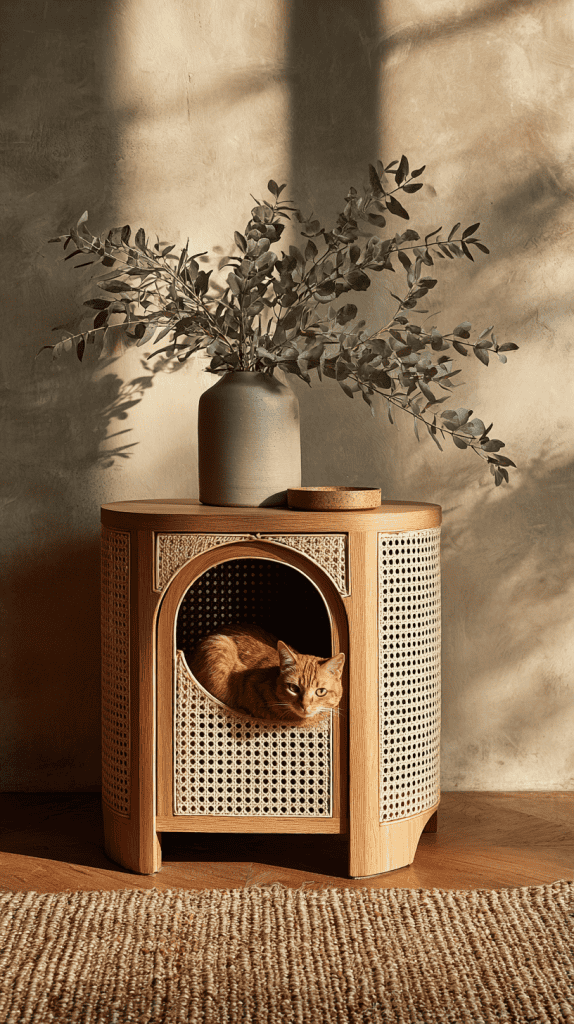
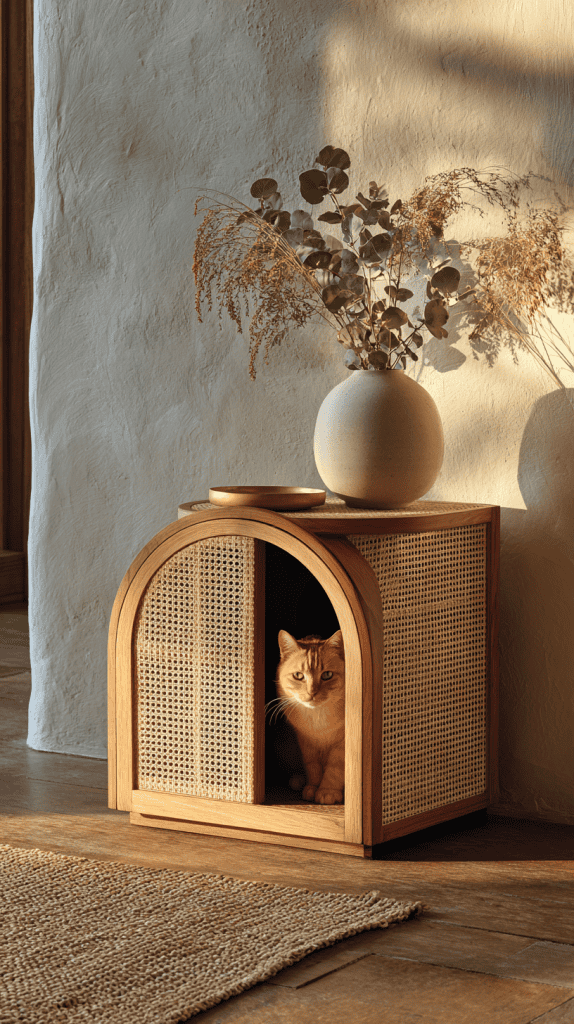
Popular rattan options include:
- Raised wicker cat beds with curved sides
- Banana leaf woven pods with removable cushions
- Seagrass tunnel hideaways for playful cats
- Multi-level rattan climbing towers
If you’re short on floor space, elevated rattan platforms help. These raised beds sometimes come with storage underneath, which is handy for tucking away toys or extra cat supplies.
Natural fibre benefits:
- Lightweight and easy to move around
- Surfaces that hold up to scratching
- Just wipe clean with a damp cloth
- Looks great with boho or Scandinavian interiors
Woven hideaways suit cats who love a covered spot but don’t care for plastic. The breathable material keeps things cool, even when it’s warm out.
You can usually put rattan cat furniture together in minutes, no tools required. If you need to store it, collapsible designs fold flat, which is honestly a lifesaver in small or temporary spaces.
Darker woven materials hide pet hair between cleanings a bit better. And if your cat is a scratcher, tightly woven pieces tend to last longer.
10. Ceiling Bridge + Landing House Ideas
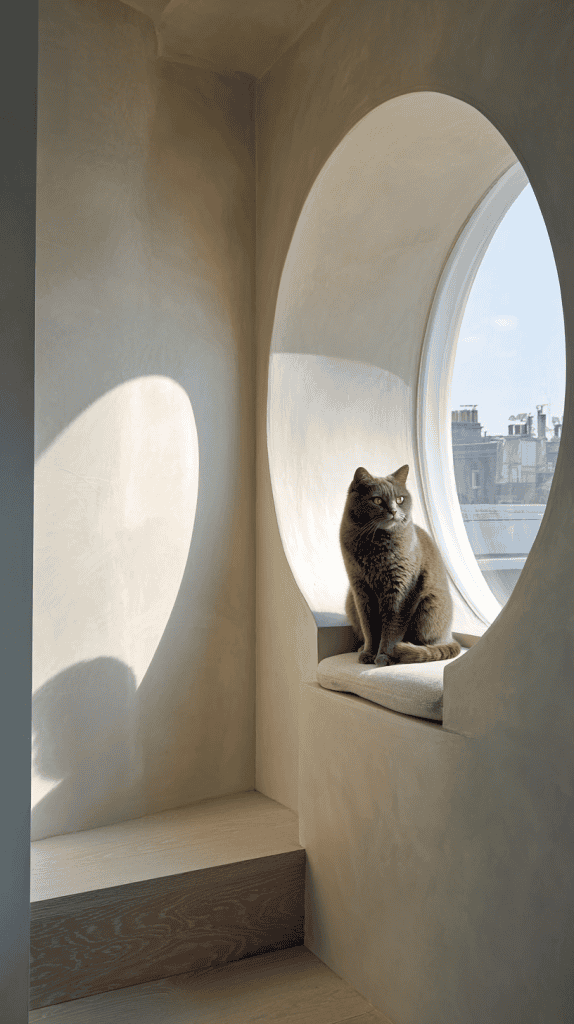
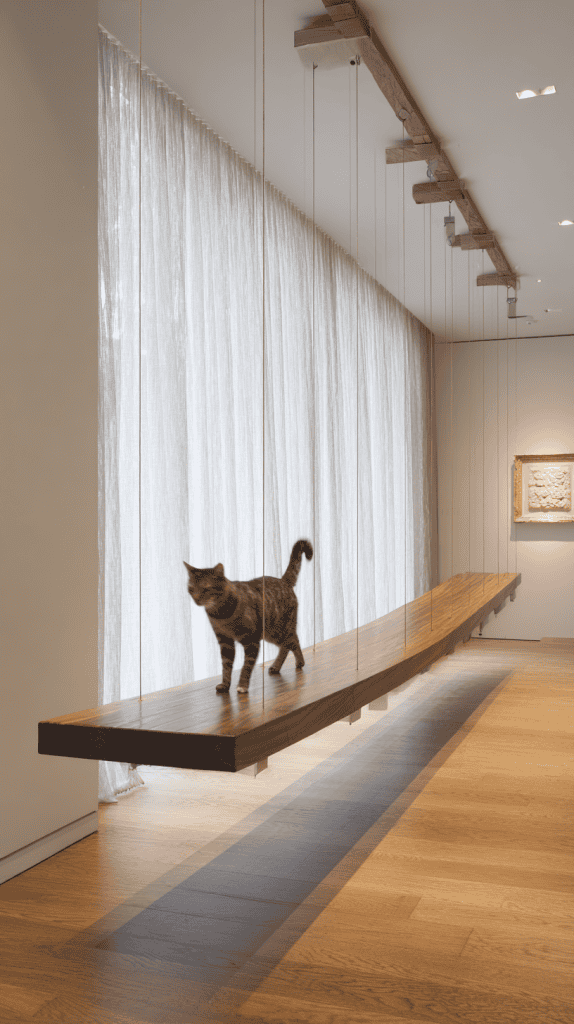
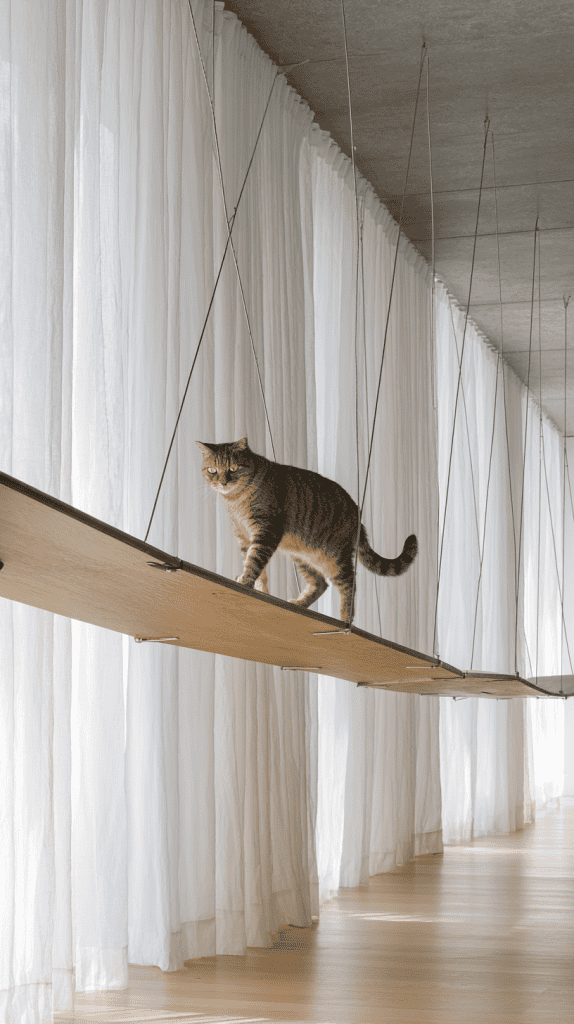
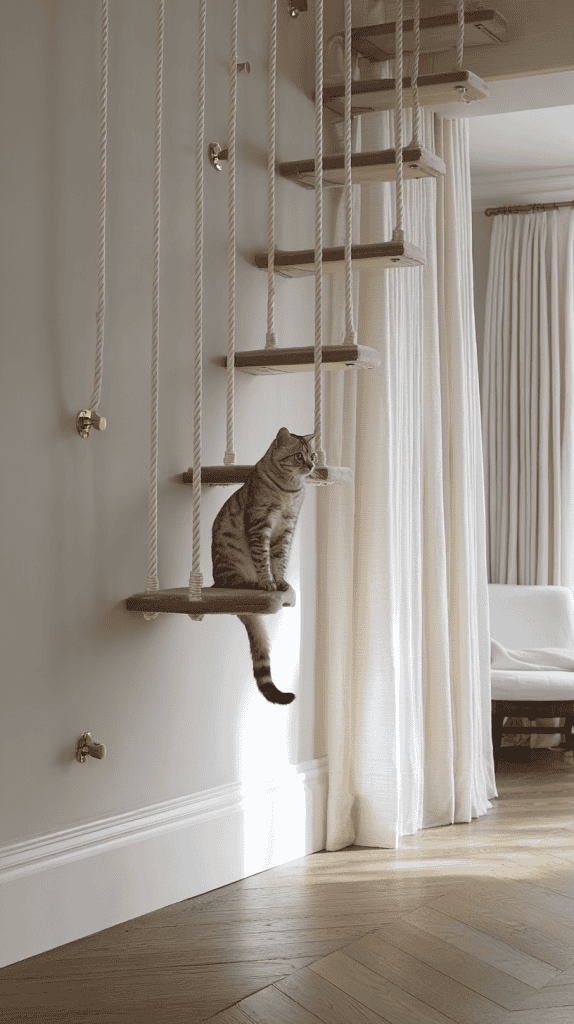
Ceiling-mounted bridges with integrated landing houses let you really make the most of vertical space, turning the upper reaches of a room into cozy hideaways for cats. These setups shine in studios and smaller flats, where every inch on the floor counts.
Suspended bridge networks can connect landing platforms across rooms. You might run bridges from wall to wall or link them to ceiling-mounted cat houses. Suddenly, your cat’s got an aerial highway to roam—no need to touch the floor if they don’t feel like it.
Corner landing houses are a smart choice as bridge endpoints. Try mounting small enclosed houses up in room corners, right where the ceiling meets the walls. Then, connect these with sturdy planks or rope bridges to create a full-on elevated route.
| Bridge Type | Best For | Installation |
|---|---|---|
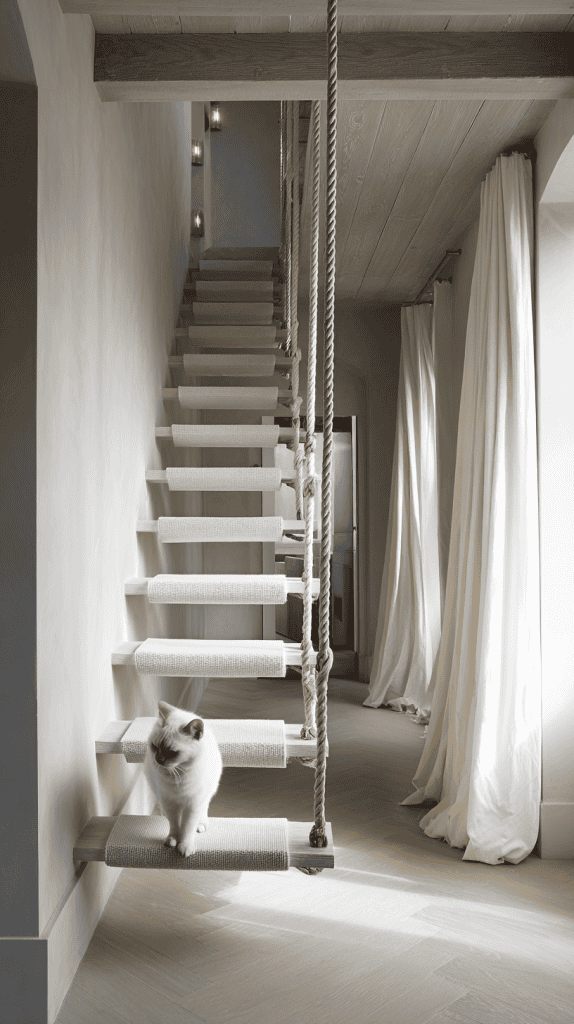
| Rope suspension | Active cats | Ceiling hooks |
| Wooden planks | All cats | Wall brackets |
| Fabric hammocks | Lounging | Multiple anchor points |
Modular systems give renters some real flexibility. You can use ceiling-mounted tracks or adjustable supports that don’t demand permanent fixtures, which means you’re free to move bridges and landing houses around whenever you like.
Multi-level designs mix things up by putting houses at different heights. Drop in sleeping boxes or little observation pods along the bridge network, and suddenly your cat’s got choices for napping, playing, or just keeping an eye on everything.
Safety considerations really matter here. Stick with heavy-duty brackets rated for dynamic loads, and double-check that all connections can handle a cat’s full weight (plus a little extra for those wild jumps). It’s smart to keep bridges away from anything fragile below—just in case.

