
The Art of Pet Photography Capturing Your Dressed-Up Darling’s Best Angles
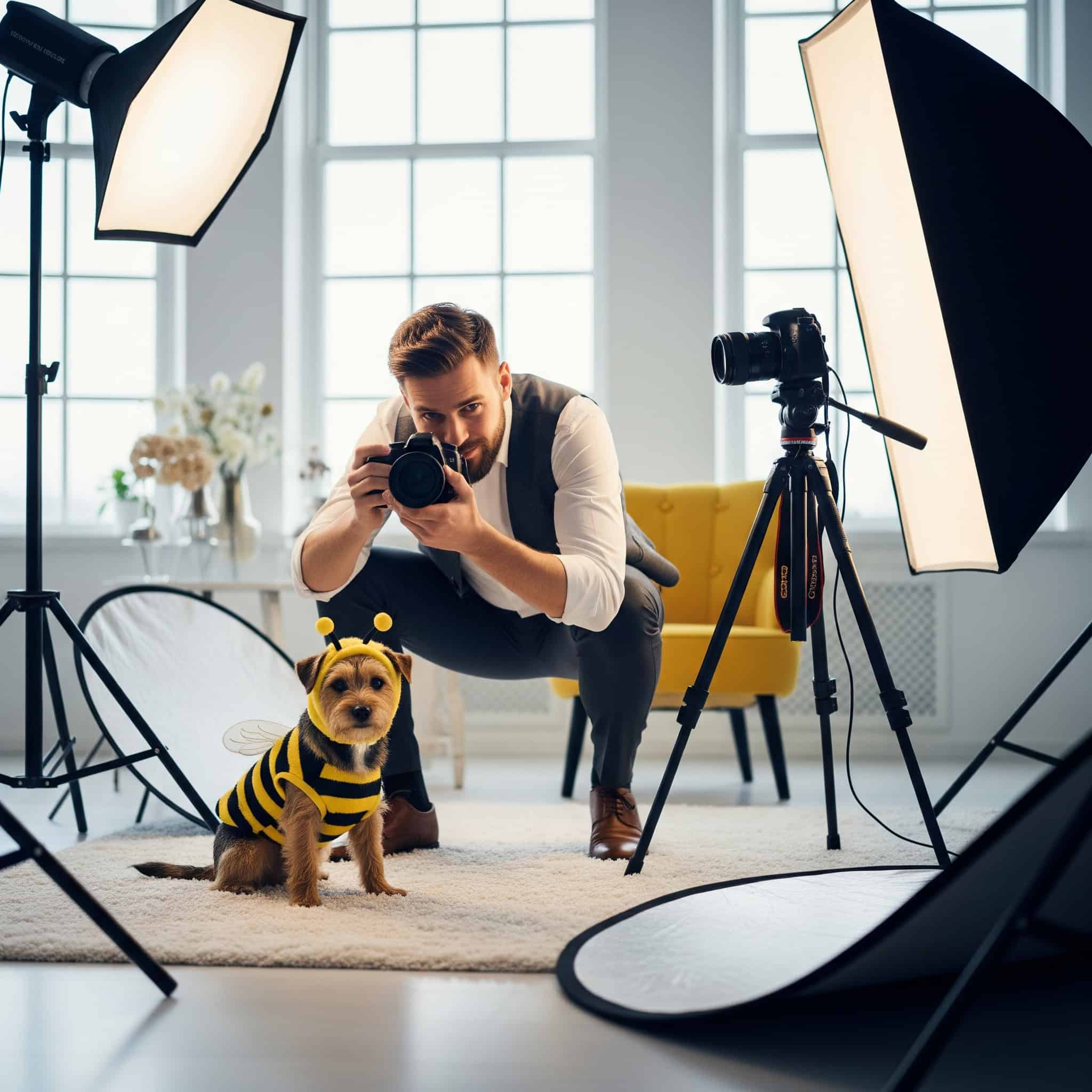
In the delightful world of pet ownership, few things bring as much joy as dressing up our furry companions. Whether it’s for a holiday, a special occasion, or just a Tuesday, pet costumes add an extra layer of charm and personality. But once your darling is decked out, how do you capture that magic in a photograph? Pet photography, especially with costumes, is an art form that blends patience, creativity, and a little bit of technical know-how.
This guide will help you master the art of capturing your dressed-up darling’s best angles, ensuring your photos are as picture-perfect as they are!
1. Prioritize Comfort and Patience (The Golden Rule)
Before you even think about lighting or angles, remember that your pet’s comfort is paramount. A stressed or uncomfortable pet will not give you good photos.
- Start Slow: Introduce costumes gradually. Let them wear it for short periods, offering treats and praise.
- Keep it Brief: Photo sessions should be short and sweet. A few minutes might be all you get before they’re over it.
- Patience is Key: Don’t force it. If your pet isn’t into it, try again another time. Bribery with their favorite treats often helps!
2. Master the Lighting (It’s Everything!)
Good lighting can make or break a photo.
- Natural Light is Best: Position your pet near a window or outdoors in diffused sunlight (e.g., on a cloudy day or in the shade). Avoid harsh direct sunlight, which can create strong shadows and make your pet squint.
- Avoid Flash: Flash can scare pets and create unnatural reflections in their eyes (“green eye”). Stick to natural light or continuous soft lighting.
- Golden Hour Magic: If shooting outdoors, the hour after sunrise or before sunset provides a soft, warm glow that is incredibly flattering.
3. Get Down to Their Level (Perspective Matters)
Shooting from your eye level down at your pet can make them look small and less engaging.
- Eye-Level Shots: Get down on the floor! Shooting at your pet’s eye level creates a more intimate and engaging portrait, making them the star of the show.
- Vary Your Angles: Experiment with shooting slightly from above for a cute “puppy dog eyes” look, or from below to emphasize their majestic costume.
4. Focus on the Costume (and the Details!)
The costume is a key element, so make sure it’s well-represented.
- Ensure a Good Fit: A well-fitting costume looks best and is more comfortable for your pet.
- Showcase the Details: If the costume has intricate details (like a superhero emblem or wizard’s stars), try to capture them clearly.
- Complementary Backgrounds: Choose a background that doesn’t distract from the costume. A plain wall, a simple blanket, or a natural outdoor setting usually works best.
5. Capture Their Personality (Beyond the Pose)
The best pet photos capture their unique spirit.
- Candid Moments: While posed shots are great, don’t miss the candid moments – a yawn, a stretch, a playful shake, or a curious sniff. These often reveal their true personality.
- Use Toys & Treats: Use their favorite toy or a tasty treat to get their attention and elicit expressions. Hold it near your camera lens to get them to look directly at you.
- Action Shots: If the costume allows, try to capture them in motion – a dog “flying” in their superhero cape, or a cat “stalking” in their lion’s mane. Use a faster shutter speed to freeze the action.
6. The Right Equipment (But Don’t Overthink It!)
You don’t need professional gear, but understanding basics helps.
- Smartphone Cameras: Modern smartphones have excellent cameras. Use Portrait Mode for a blurred background and tap on your pet to ensure sharp focus.
- DSLR/Mirrorless Cameras: If you have one, use a lens with a wide aperture (e.g., f/1.8 or f/2.8) for beautiful background blur (bokeh). A fast shutter speed (e.g., 1/250 sec or faster) is crucial for sharp images of moving pets.
- Burst Mode: Use burst mode (continuous shooting) to capture a sequence of photos, increasing your chances of getting that perfect shot.
7. Post-Processing (The Finishing Touch)
A little editing can go a long way.
- Crop and Straighten: Crop out distractions and straighten horizons.
- Adjust Exposure & Contrast: Brighten underexposed areas and enhance contrast to make your pet pop.
- Color Correction: Adjust white balance to ensure colors look natural.
- Sharpening: A touch of sharpening can make details crisp.
Capturing your dressed-up darling is a rewarding experience that creates cherished memories. By focusing on your pet’s comfort, utilizing good lighting, getting creative with angles, and embracing their unique personality, you’ll be well on your way to becoming a master pet photographer. Now go forth and capture those paw-some moments!


